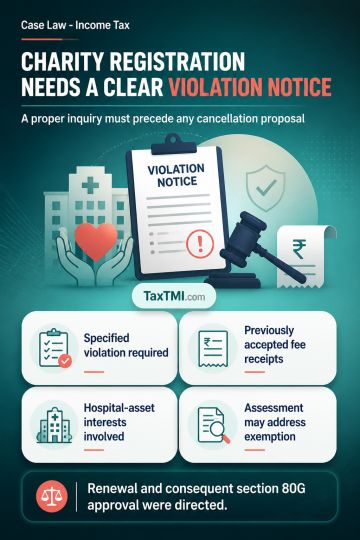
Charitable trust registration requires a specified-violation notice; settled cash deposits and related-party payments did not justify cancellation or ...
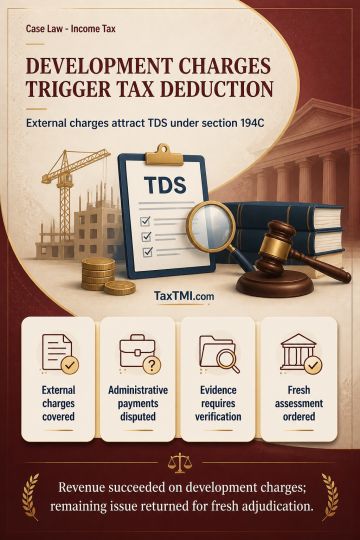
External development charges trigger TDS under section 194C, while disputed administrative payments require factual verification and fresh adjudicatio...
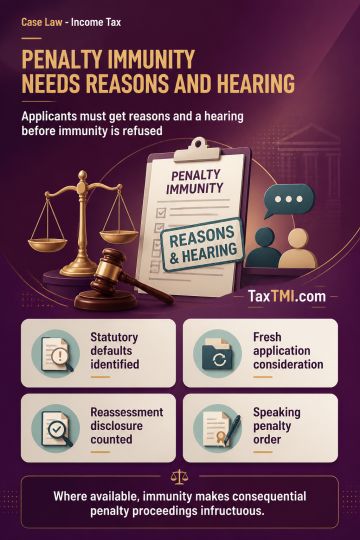
Section 270AA penalty immunity requires identified statutory defaults and a hearing before rejection; reassessment disclosure may constitute under-rep...
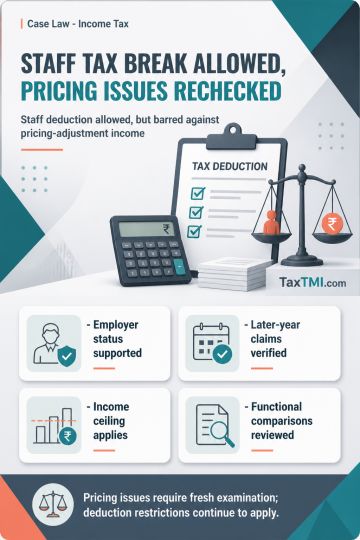
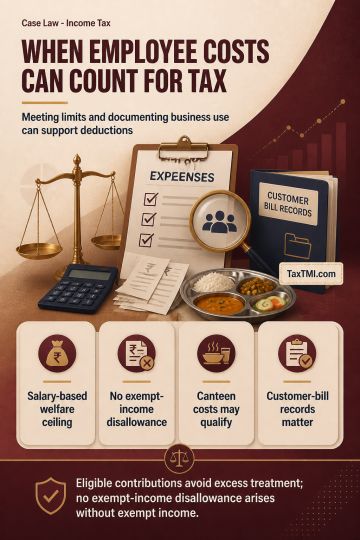
Section 80JJAA employee-cost deduction allowed for deployed staff but barred against transfer-pricing income enhancement, with pricing issues remanded...
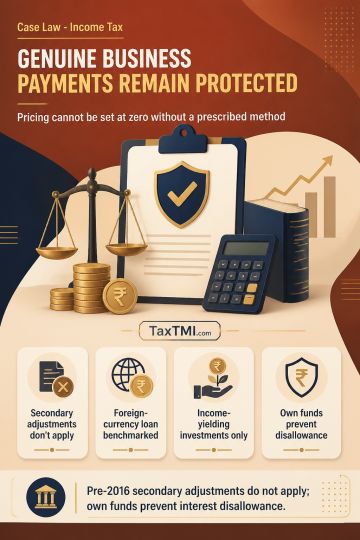
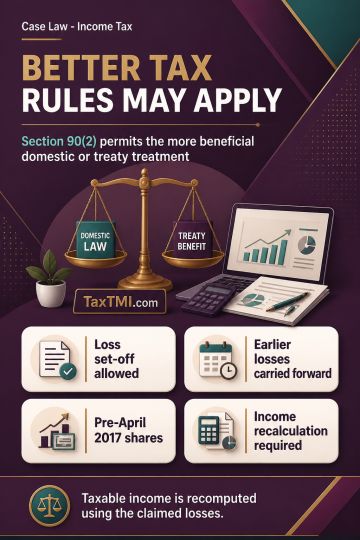
Transfer-pricing methodology protects commercially genuine associated-enterprise payments, while pre-2016 secondary adjustments and related notional i...
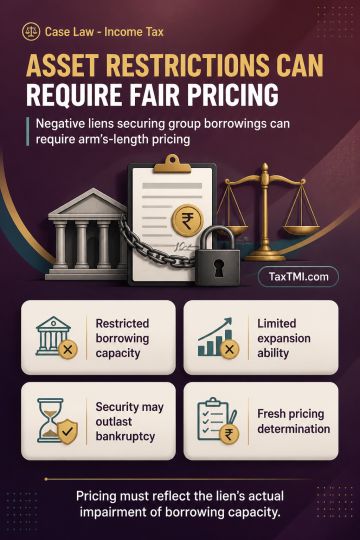
Negative liens over operating assets can constitute international transactions requiring arm's-length pricing reflecting restricted borrowing and expa...
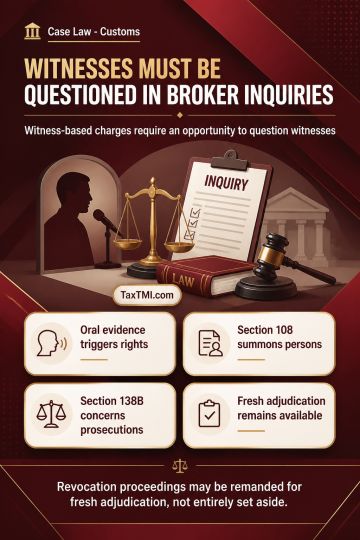
Cross-examination rights in Customs Broker revocation inquiries require witness examination; procedural denial may be cured through fresh adjudication...
The proposed Clause 446 of the Income Tax Bill, 2025, mandates penalties for failure to get accounts audited or to furnish audit reports as required, mirroring the existing Section 271B of the Income-tax Act, 1961. Both provisions impose a penalty capped at 0.5% of turnover or gross receipts, not exceeding Rs. 1,50,000, and empower the Assessing Officer to impose such penalties. Key differences include updated terminology, a shift from "previous year" to "tax year," and the absence of an explicit "reasonable cause" defense in Clause 446, potentially indicating stricter liability. While Section 271B allows relief under general provisions, Clause 446's omission of this safeguard may increase enforcement rigidity. The clause reflects legislative modernization aimed at enhancing compliance and administrative clarity, but may require judicial or administrative interpretation to resolve ambiguities related to relief and definitions. Taxpayers must ensure timely audits and report submissions to avoid penalties.
The proposed Clause 446 of the Income Tax Bill, 2025, mandates penalties for failure to get accounts audited or to furnish audit reports as required, mirroring the existing Section 271B of the Income-tax Act, 1961. Both provisions impose a penalty capped at 0.5% of turnover or gross receipts, not exceeding Rs. 1,50,000, and empower the Assessing Officer to impose such penalties. Key differences include updated terminology, a shift from "previous year" to "tax year," and the absence of an explicit "reasonable cause" defense in Clause 446, potentially indicating stricter liability. While Section 271B allows relief under general provisions, Clause 446's omission of this safeguard may increase enforcement rigidity. The clause reflects legislative modernization aimed at enhancing compliance and administrative clarity, but may require judicial or administrative interpretation to resolve ambiguities related to relief and definitions. Taxpayers must ensure timely audits and report submissions to avoid penalties.
Note: It is a system-generated summary and is for quick reference only.
 TaxTMI
  TaxTMI
 of 4828










 Join Channel


