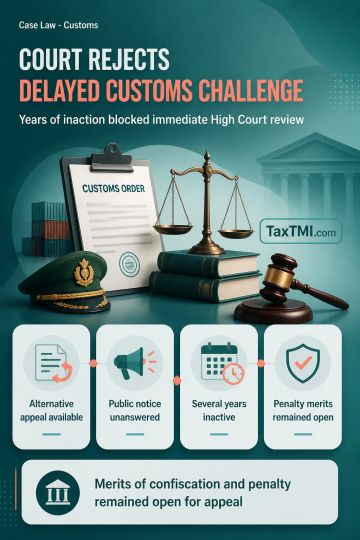
Alternative statutory remedy and unexplained delay barred writ review of customs confiscation adjudication, leaving merits for appellate consideration...
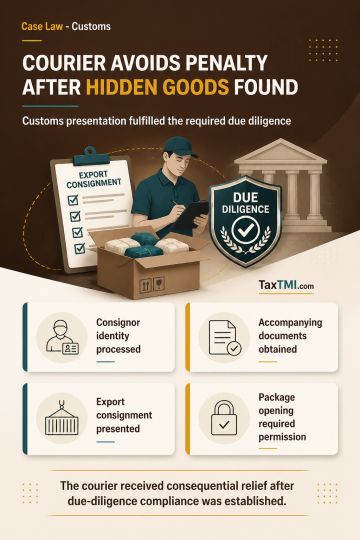
Authorised courier due diligence protects against penalties where declared exports conceal prohibited goods despite proper documentation and customs p...
Customs-controlled container movement now extends to DP World facilities, subject to segregation, inspections, reconciliation, and EXIM cargo priority...
The proposed Clause 446 of the Income Tax Bill, 2025, mandates penalties for failure to get accounts audited or to furnish audit reports as required, mirroring the existing Section 271B of the Income-tax Act, 1961. Both provisions impose a penalty capped at 0.5% of turnover or gross receipts, not exceeding Rs. 1,50,000, and empower the Assessing Officer to impose such penalties. Key differences include updated terminology, a shift from "previous year" to "tax year," and the absence of an explicit "reasonable cause" defense in Clause 446, potentially indicating stricter liability. While Section 271B allows relief under general provisions, Clause 446's omission of this safeguard may increase enforcement rigidity. The clause reflects legislative modernization aimed at enhancing compliance and administrative clarity, but may require judicial or administrative interpretation to resolve ambiguities related to relief and definitions. Taxpayers must ensure timely audits and report submissions to avoid penalties.
The proposed Clause 446 of the Income Tax Bill, 2025, mandates penalties for failure to get accounts audited or to furnish audit reports as required, mirroring the existing Section 271B of the Income-tax Act, 1961. Both provisions impose a penalty capped at 0.5% of turnover or gross receipts, not exceeding Rs. 1,50,000, and empower the Assessing Officer to impose such penalties. Key differences include updated terminology, a shift from "previous year" to "tax year," and the absence of an explicit "reasonable cause" defense in Clause 446, potentially indicating stricter liability. While Section 271B allows relief under general provisions, Clause 446's omission of this safeguard may increase enforcement rigidity. The clause reflects legislative modernization aimed at enhancing compliance and administrative clarity, but may require judicial or administrative interpretation to resolve ambiguities related to relief and definitions. Taxpayers must ensure timely audits and report submissions to avoid penalties.
Note: It is a system-generated summary and is for quick reference only.
 TaxTMI
  TaxTMI
 of 4828










 Join Channel


