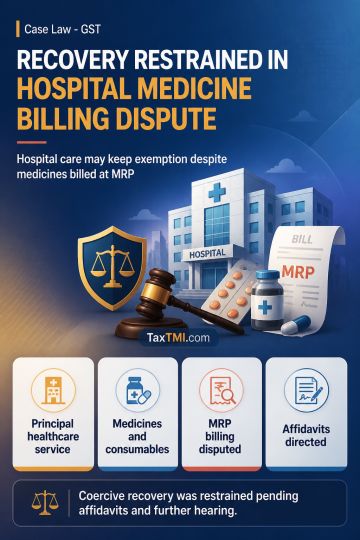
Composite inpatient healthcare supply may retain exemption despite MRP medicine billing, while separate taxable sale characterisation remains disputed...
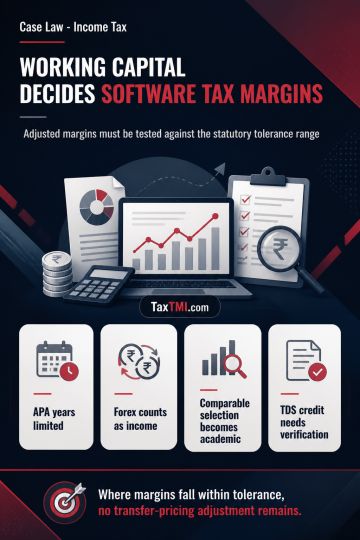
Working-capital adjustment determines whether software-services transfer-pricing margins fall within the statutory tolerance range, eliminating any ad...
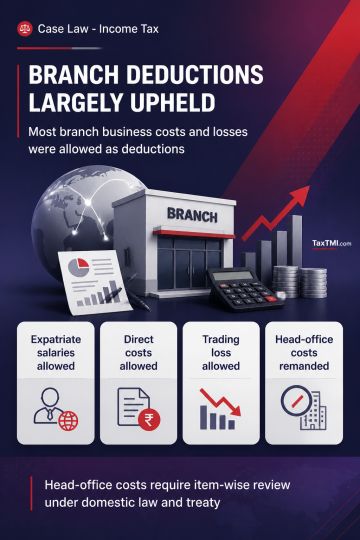
Permanent establishment deductions upheld for expatriate salaries, direct costs and trading losses, while head-office costs require fresh classificati...
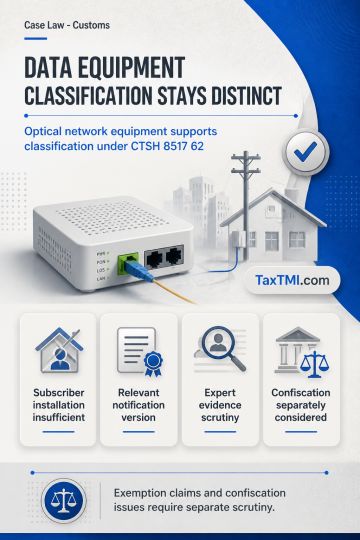
Data transmission equipment classification under CTSH 8517 62 remains distinct from residual classification, with exemption evidence requiring scrutin...
The ITAT upheld the ld.CIT(A)'s decision to treat the excess stock found during the survey as business income, dismissing the revenue's appeal. The AO failed to produce cogent evidence of income from sources other than the jewellery business. The tribunal accepted the assessee's explanation regarding the separate ledger for old gold purchases, increasing the book stock and reducing the excess stock to 11,390.212 grams. The addition was restricted accordingly. Regarding valuation, the tribunal rejected the AO and ld.CIT(A)'s higher rate of Rs. 2,800 per gram and the assessee's lower rate of Rs. 2,296 per gram, adopting Rs. 2,409 per gram as agreed by the assessee in correspondence, to compute income from excess stock. This approach balanced the competing valuations and concluded the matter.
The ITAT upheld the ld.CIT(A)'s decision to treat the excess stock found during the survey as business income, dismissing the revenue's appeal. The AO failed to produce cogent evidence of income from sources other than the jewellery business. The tribunal accepted the assessee's explanation regarding the separate ledger for old gold purchases, increasing the book stock and reducing the excess stock to 11,390.212 grams. The addition was restricted accordingly. Regarding valuation, the tribunal rejected the AO and ld.CIT(A)'s higher rate of Rs. 2,800 per gram and the assessee's lower rate of Rs. 2,296 per gram, adopting Rs. 2,409 per gram as agreed by the assessee in correspondence, to compute income from excess stock. This approach balanced the competing valuations and concluded the matter.
Note: It is a system-generated summary and is for quick reference only.
 TaxTMI
 of 4803









 Join Channel


 TaxTMI
