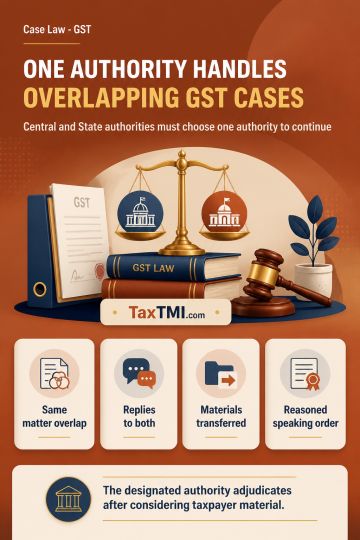
Overlapping GST proceedings require Central and State authorities to designate one competent authority for coordinated adjudication of the same matter...
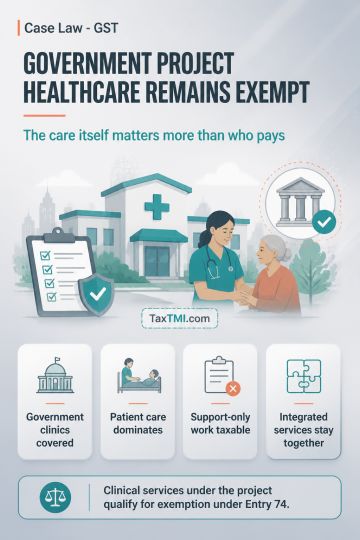
Composite healthcare supplies retain exemption when patient care is the contract's essential character, despite payment through an implementing agency...
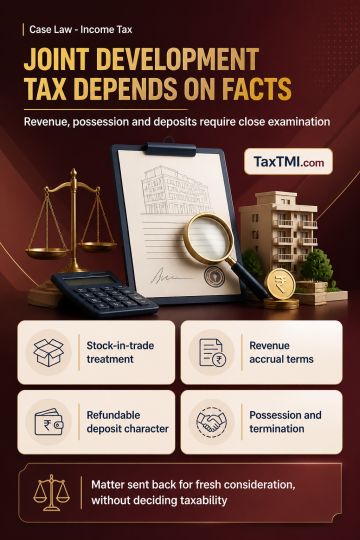
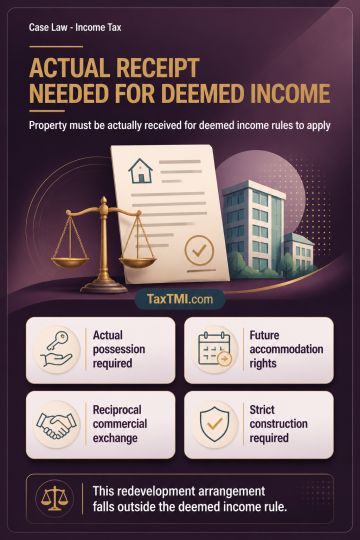
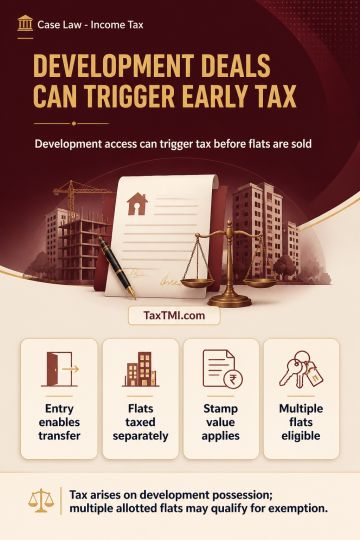
Receipt of immovable property requires actual possession or enjoyment; redevelopment allotments exchanged for tenancy rights fall outside deemed incom...
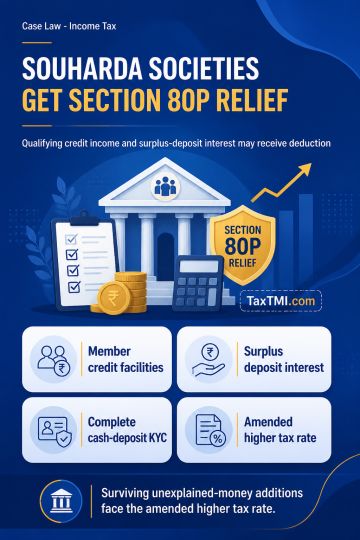
Section 80P deduction covers Souharda credit societies, including qualifying surplus-deposit interest, subject to member KYC verification for cash dep...
The ITAT upheld the order of the CIT(A) deleting the addition made by the AO under section 13(1)(c) read with sections 13(2)(c), 13(2)(g), and 13(2)(h) of the Act, and invoked section 40A(2)(a) for alleged excessive payments to related parties. The appellant society, operating numerous educational institutions, had entered into service contracts with related companies. The AO disallowed payments as excessive without adducing comparable third-party service evidence or industrial benchmarks. The Tribunal held that mere related-party transactions do not ipso facto render payments excessive; the AO's adhoc disallowance was based on suspicion and lacked evidentiary basis. The payments were found commensurate with services rendered. Consequently, the appeal by the Revenue was dismissed, affirming the deletion of additions and denial of exemption under section 11, as the appellant complied with the statutory parameters regarding related-party service payments.
The ITAT upheld the order of the CIT(A) deleting the addition made by the AO under section 13(1)(c) read with sections 13(2)(c), 13(2)(g), and 13(2)(h) of the Act, and invoked section 40A(2)(a) for alleged excessive payments to related parties. The appellant society, operating numerous educational institutions, had entered into service contracts with related companies. The AO disallowed payments as excessive without adducing comparable third-party service evidence or industrial benchmarks. The Tribunal held that mere related-party transactions do not ipso facto render payments excessive; the AO's adhoc disallowance was based on suspicion and lacked evidentiary basis. The payments were found commensurate with services rendered. Consequently, the appeal by the Revenue was dismissed, affirming the deletion of additions and denial of exemption under section 11, as the appellant complied with the statutory parameters regarding related-party service payments.
Note: It is a system-generated summary and is for quick reference only.
 TaxTMI
 of 4803



 Join Channel


 TaxTMI