Approved resolution plans extinguish unsubmitted pre-approval tax claims, preventing later recovery outside the insolvency process and preserving a cl...
Transfer pricing comparability requires functional alignment and permits working capital adjustment, while APA margins cannot govern non-covered years...
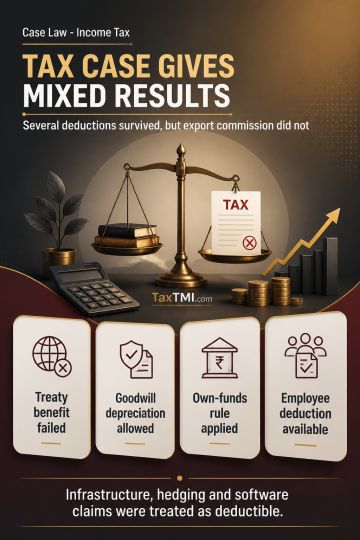
Treaty benefit, goodwill depreciation and hedging costs: export commission disallowed, while key business deductions and depreciation claims succeeded...
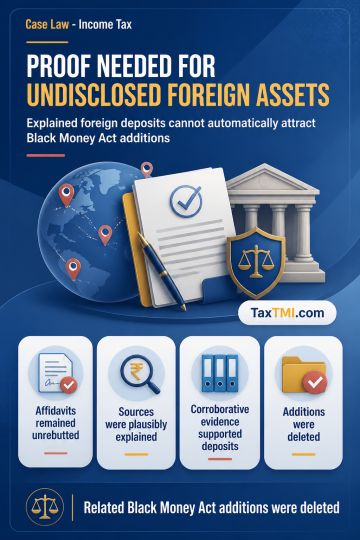
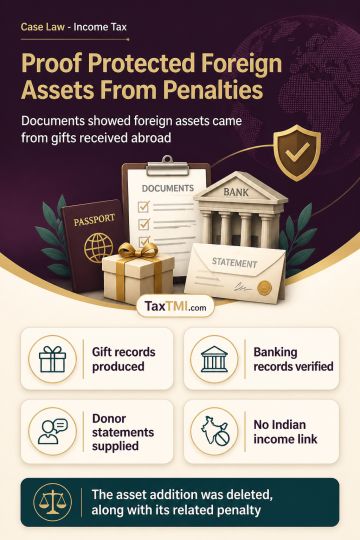
Undisclosed foreign asset classification requires an unexplained source; unrebutted affidavits and corroborative evidence defeated the Black Money Act...
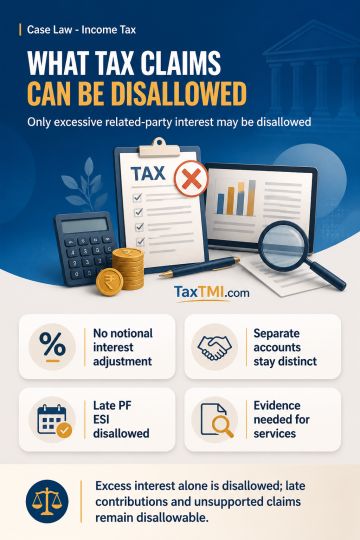
The ITAT upheld the order of the CIT(A) deleting the addition made by the AO under section 13(1)(c) read with sections 13(2)(c), 13(2)(g), and 13(2)(h) of the Act, and invoked section 40A(2)(a) for alleged excessive payments to related parties. The appellant society, operating numerous educational institutions, had entered into service contracts with related companies. The AO disallowed payments as excessive without adducing comparable third-party service evidence or industrial benchmarks. The Tribunal held that mere related-party transactions do not ipso facto render payments excessive; the AO's adhoc disallowance was based on suspicion and lacked evidentiary basis. The payments were found commensurate with services rendered. Consequently, the appeal by the Revenue was dismissed, affirming the deletion of additions and denial of exemption under section 11, as the appellant complied with the statutory parameters regarding related-party service payments.
The ITAT upheld the order of the CIT(A) deleting the addition made by the AO under section 13(1)(c) read with sections 13(2)(c), 13(2)(g), and 13(2)(h) of the Act, and invoked section 40A(2)(a) for alleged excessive payments to related parties. The appellant society, operating numerous educational institutions, had entered into service contracts with related companies. The AO disallowed payments as excessive without adducing comparable third-party service evidence or industrial benchmarks. The Tribunal held that mere related-party transactions do not ipso facto render payments excessive; the AO's adhoc disallowance was based on suspicion and lacked evidentiary basis. The payments were found commensurate with services rendered. Consequently, the appeal by the Revenue was dismissed, affirming the deletion of additions and denial of exemption under section 11, as the appellant complied with the statutory parameters regarding related-party service payments.
Note: It is a system-generated summary and is for quick reference only.
 TaxTMI
 of 4803








 Join Channel


 TaxTMI