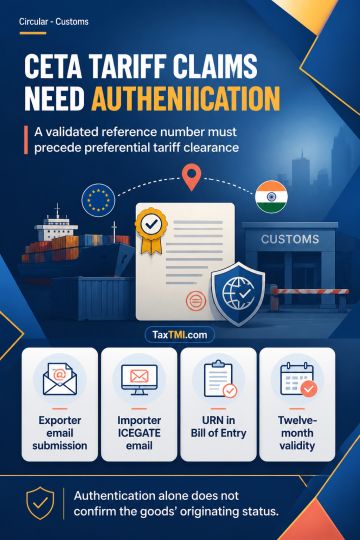
Origin Declaration authentication governs preferential tariff claims under India-UK CETA, requiring a validated reference number before import clearan...
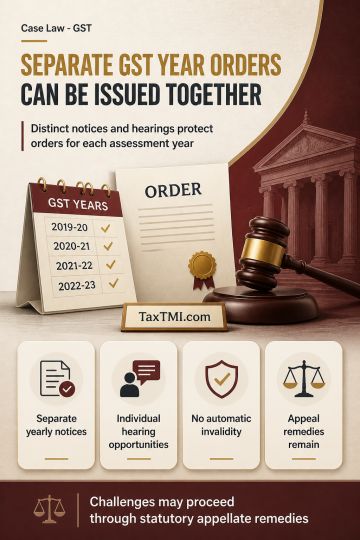
Separate assessment orders for different years remain valid when distinct notices and hearing opportunities prevent prejudice from combined proceeding...
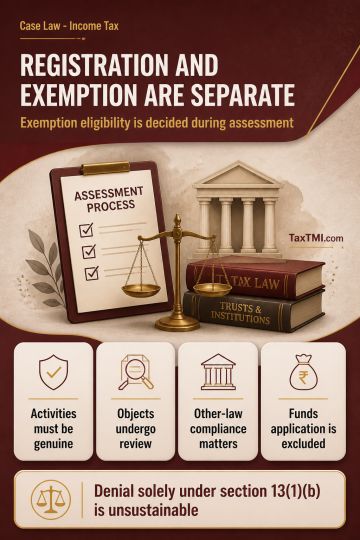
Defined public benefit can retain charitable character; registration renewal requires examining genuine activities and legal compliance, not surplus a...
Capital reduction is distinct from share buy-back, preventing buy-back tax; restructuring interest and related business deductions also survive scruti...
The HC upheld the imposition of penalty under section 114(i) of the CA against the CHA, affirming liability for failure to comply with mandated KYC requirements and proper verification of clients in transit clearance of Nepal-based cargo destined for export. The appellant's contention that absence of adjudicated abetment precluded penalty was rejected, as section 114(i) penalizes acts or omissions rendering goods liable to confiscation, with abetment being secondary. The Tribunal correctly emphasized the CHA's primary responsibility to fulfill statutory KYC norms rather than rely on oral information. Notwithstanding the established breach, the Tribunal exercised discretion to reduce the penalty from Rs. 50 Lakhs to Rs. 4 Lakhs. The HC found no substantial question of law warranting interference, resulting in dismissal of the appeal.
The HC upheld the imposition of penalty under section 114(i) of the CA against the CHA, affirming liability for failure to comply with mandated KYC requirements and proper verification of clients in transit clearance of Nepal-based cargo destined for export. The appellant's contention that absence of adjudicated abetment precluded penalty was rejected, as section 114(i) penalizes acts or omissions rendering goods liable to confiscation, with abetment being secondary. The Tribunal correctly emphasized the CHA's primary responsibility to fulfill statutory KYC norms rather than rely on oral information. Notwithstanding the established breach, the Tribunal exercised discretion to reduce the penalty from Rs. 50 Lakhs to Rs. 4 Lakhs. The HC found no substantial question of law warranting interference, resulting in dismissal of the appeal.
Note: It is a system-generated summary and is for quick reference only.
 TaxTMI
 of 4803












 Join Channel


 TaxTMI
