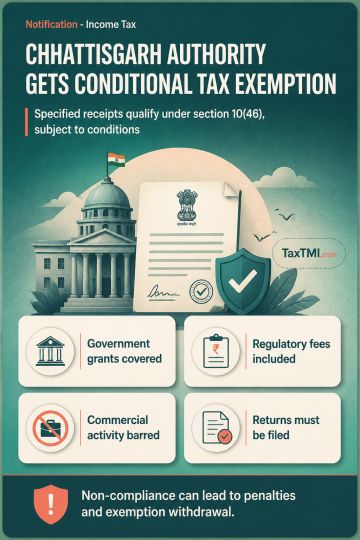
Specified regulatory authority income receives conditional tax exemption, subject to non-commercial activity, unchanged income character, and return f...
Tax exemption for regulatory authority income applies retrospectively, subject to non-commercial activity, unchanged income sources, and return-filing...
Input tax credit conditions remain constitutionally valid, with eligible recipient claims considered under GST circulars and retrospective filing dead...
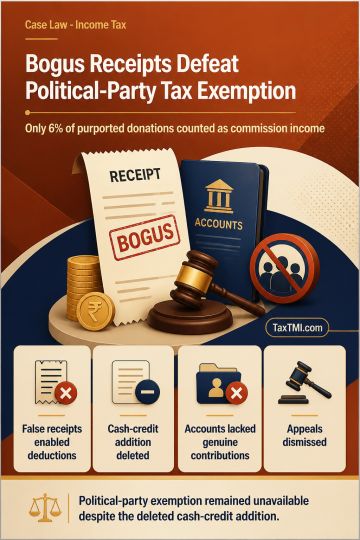
Bogus donation receipts justified commission income assessment and defeated political-party tax exemption for inaccurate accounts and reporting failur...
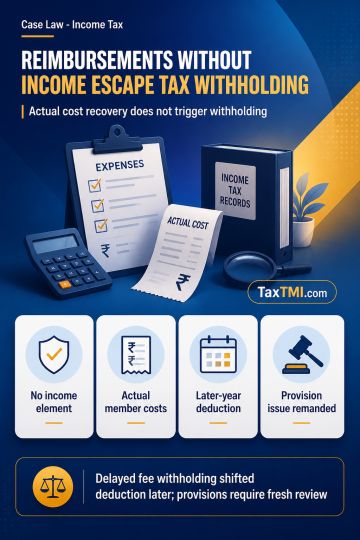
Pure reimbursement without income element escapes tax withholding, while delayed withholding and unsupported provisions face deferred or renewed scrut...
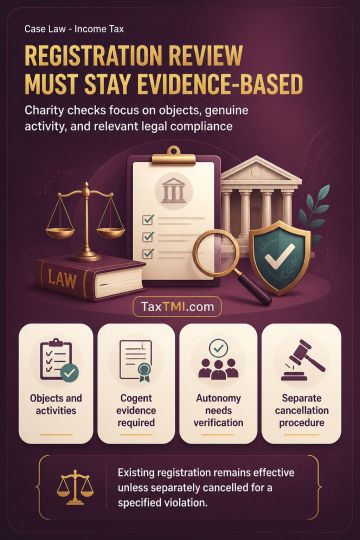
Public benefit requirement defeats charitable registration where residents' association services are reciprocal, member-only facilities governed by mu...
The HC upheld the imposition of penalty under section 114(i) of the CA against the CHA, affirming liability for failure to comply with mandated KYC requirements and proper verification of clients in transit clearance of Nepal-based cargo destined for export. The appellant's contention that absence of adjudicated abetment precluded penalty was rejected, as section 114(i) penalizes acts or omissions rendering goods liable to confiscation, with abetment being secondary. The Tribunal correctly emphasized the CHA's primary responsibility to fulfill statutory KYC norms rather than rely on oral information. Notwithstanding the established breach, the Tribunal exercised discretion to reduce the penalty from Rs. 50 Lakhs to Rs. 4 Lakhs. The HC found no substantial question of law warranting interference, resulting in dismissal of the appeal.
The HC upheld the imposition of penalty under section 114(i) of the CA against the CHA, affirming liability for failure to comply with mandated KYC requirements and proper verification of clients in transit clearance of Nepal-based cargo destined for export. The appellant's contention that absence of adjudicated abetment precluded penalty was rejected, as section 114(i) penalizes acts or omissions rendering goods liable to confiscation, with abetment being secondary. The Tribunal correctly emphasized the CHA's primary responsibility to fulfill statutory KYC norms rather than rely on oral information. Notwithstanding the established breach, the Tribunal exercised discretion to reduce the penalty from Rs. 50 Lakhs to Rs. 4 Lakhs. The HC found no substantial question of law warranting interference, resulting in dismissal of the appeal.
Note: It is a system-generated summary and is for quick reference only.
 TaxTMI
 of 4800











 Join Channel


 TaxTMI