Dispute Resolution Panel objections must reach both prescribed forums; otherwise assessment may proceed and statutory appeal remains the proper remedy...
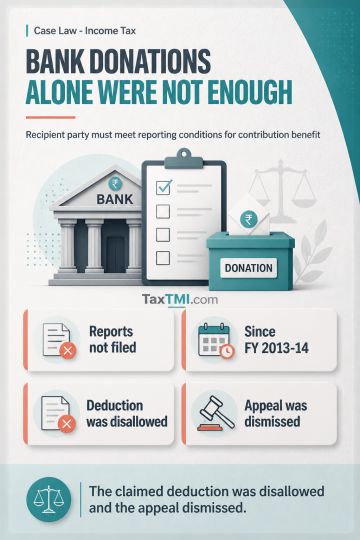
Political contribution deductions require recipient party compliance with contribution-reporting conditions; banking-channel donations alone do not qu...
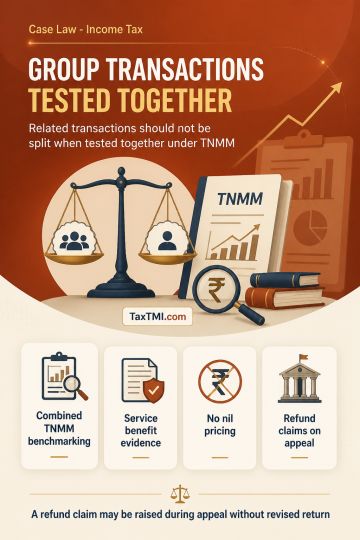
Aggregation under TNMM prevents selective testing of intra-group services without comparable uncontrolled transactions, while appellate additional cla...
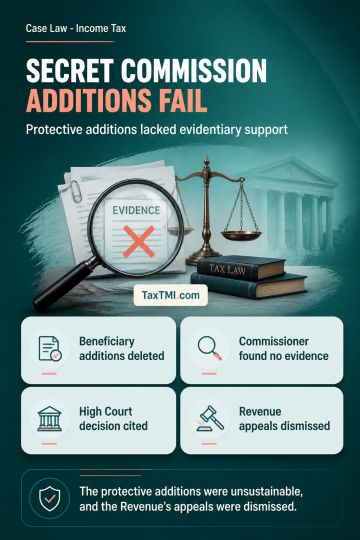
Protective assessment cannot duplicate identical receipts under competing characterisations; remote services did not establish a taxable permanent est...
Current account treatment of overseas tournament services removed most FEMA findings, but excess EEFC remittance and delayed repatriation remained bre...
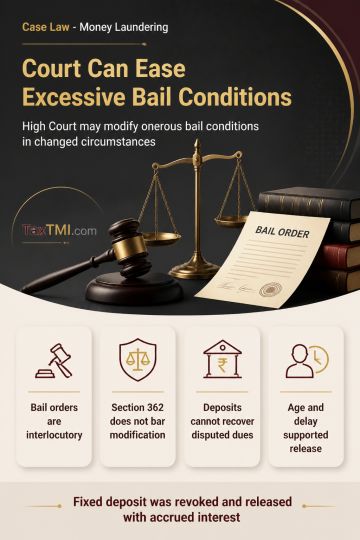
Modification of bail conditions remains available through inherent jurisdiction where onerous deposits undermine justice and cannot recover disputed d...
The HC upheld the imposition of penalty under section 114(i) of the CA against the CHA, affirming liability for failure to comply with mandated KYC requirements and proper verification of clients in transit clearance of Nepal-based cargo destined for export. The appellant's contention that absence of adjudicated abetment precluded penalty was rejected, as section 114(i) penalizes acts or omissions rendering goods liable to confiscation, with abetment being secondary. The Tribunal correctly emphasized the CHA's primary responsibility to fulfill statutory KYC norms rather than rely on oral information. Notwithstanding the established breach, the Tribunal exercised discretion to reduce the penalty from Rs. 50 Lakhs to Rs. 4 Lakhs. The HC found no substantial question of law warranting interference, resulting in dismissal of the appeal.
The HC upheld the imposition of penalty under section 114(i) of the CA against the CHA, affirming liability for failure to comply with mandated KYC requirements and proper verification of clients in transit clearance of Nepal-based cargo destined for export. The appellant's contention that absence of adjudicated abetment precluded penalty was rejected, as section 114(i) penalizes acts or omissions rendering goods liable to confiscation, with abetment being secondary. The Tribunal correctly emphasized the CHA's primary responsibility to fulfill statutory KYC norms rather than rely on oral information. Notwithstanding the established breach, the Tribunal exercised discretion to reduce the penalty from Rs. 50 Lakhs to Rs. 4 Lakhs. The HC found no substantial question of law warranting interference, resulting in dismissal of the appeal.
Note: It is a system-generated summary and is for quick reference only.
 TaxTMI
 of 4800














 Join Channel


 TaxTMI
