Transaction value rejection requires reliable corroboration; refundable VAT is excluded and temporary registration does not defeat new-vehicle exempti...
Appellate jurisdiction remains available where a wrist-worn gold ornament cannot conclusively be characterised as imported baggage at the preliminary ...
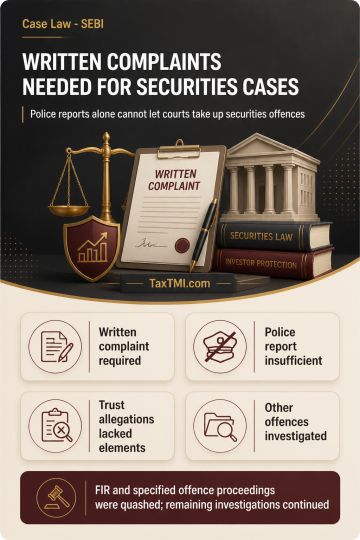
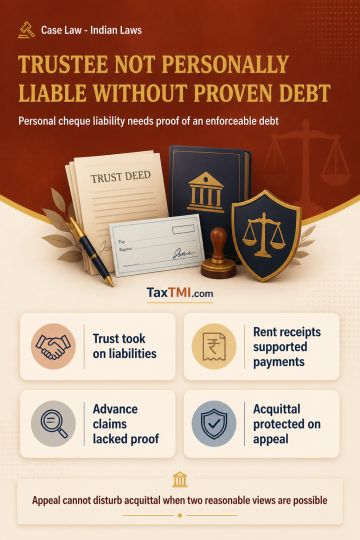
Written complaint requirement bars cognizance on police reports for securities offences, while unsupported breach of trust and cheating allegations fa...
Risk-based postal import clearance standardises electronic assessment, document requests, duty realisation and delivery controls at Foreign Post Offic...
Customs Cargo Service Provider appointment extends custodianship to additional terminal land, subject to cargo-control, security and licence condition...
The HC upheld the imposition of penalty under section 114(i) of the CA against the CHA, affirming liability for failure to comply with mandated KYC requirements and proper verification of clients in transit clearance of Nepal-based cargo destined for export. The appellant's contention that absence of adjudicated abetment precluded penalty was rejected, as section 114(i) penalizes acts or omissions rendering goods liable to confiscation, with abetment being secondary. The Tribunal correctly emphasized the CHA's primary responsibility to fulfill statutory KYC norms rather than rely on oral information. Notwithstanding the established breach, the Tribunal exercised discretion to reduce the penalty from Rs. 50 Lakhs to Rs. 4 Lakhs. The HC found no substantial question of law warranting interference, resulting in dismissal of the appeal.
The HC upheld the imposition of penalty under section 114(i) of the CA against the CHA, affirming liability for failure to comply with mandated KYC requirements and proper verification of clients in transit clearance of Nepal-based cargo destined for export. The appellant's contention that absence of adjudicated abetment precluded penalty was rejected, as section 114(i) penalizes acts or omissions rendering goods liable to confiscation, with abetment being secondary. The Tribunal correctly emphasized the CHA's primary responsibility to fulfill statutory KYC norms rather than rely on oral information. Notwithstanding the established breach, the Tribunal exercised discretion to reduce the penalty from Rs. 50 Lakhs to Rs. 4 Lakhs. The HC found no substantial question of law warranting interference, resulting in dismissal of the appeal.
Note: It is a system-generated summary and is for quick reference only.
 TaxTMI
 of 4792













 Join Channel


 TaxTMI