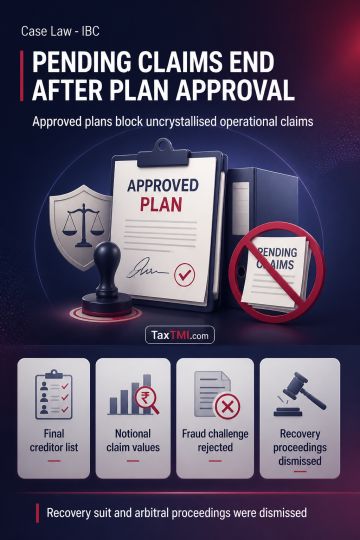
Clean slate principle extinguishes uncrystallised operational claims and bars continuation of pending recovery and arbitral proceedings after plan app...
Works contract classification governs composite layout-development contracts where VAT-paid goods are transferred alongside construction and infrastru...
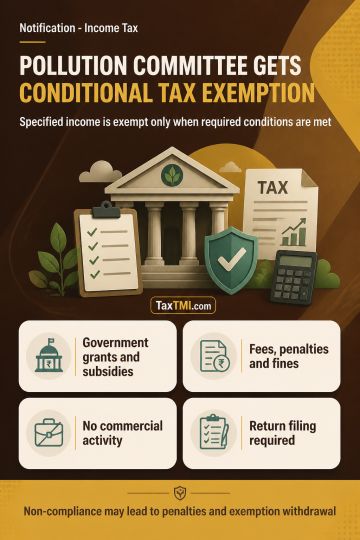
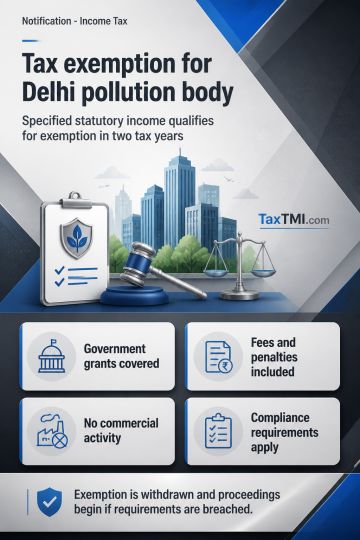
Specified income tax exemption for pollution control body remains conditional on non-commercial activity, unchanged income character, and return filin...
The CESTAT upheld the denial of exemption notification benefits to the appellant for ELISA test kits imported for food testing, confirming they are not exempt under the relevant notification. However, the Tribunal held that the Principal Commissioner erred in invoking the extended period of limitation under Section 28(4) of the Customs Act, 1962, as there was no suppression of material facts with intent to evade duty, and prior findings on this issue had not been reconsidered appropriately. Consequently, the confirmation of differential duty for the extended period was set aside. Furthermore, the imposition of penalty under Section 114A was quashed, as the grounds for penalty were the same as those for invoking the extended limitation period, which was unjustified. The appeal was allowed, affirming duty liability only for the normal limitation period and setting aside the extended period demand and penalty.
The CESTAT upheld the denial of exemption notification benefits to the appellant for ELISA test kits imported for food testing, confirming they are not exempt under the relevant notification. However, the Tribunal held that the Principal Commissioner erred in invoking the extended period of limitation under Section 28(4) of the Customs Act, 1962, as there was no suppression of material facts with intent to evade duty, and prior findings on this issue had not been reconsidered appropriately. Consequently, the confirmation of differential duty for the extended period was set aside. Furthermore, the imposition of penalty under Section 114A was quashed, as the grounds for penalty were the same as those for invoking the extended limitation period, which was unjustified. The appeal was allowed, affirming duty liability only for the normal limitation period and setting aside the extended period demand and penalty.
Note: It is a system-generated summary and is for quick reference only.
 TaxTMI
 of 4800









 Join Channel


 TaxTMI