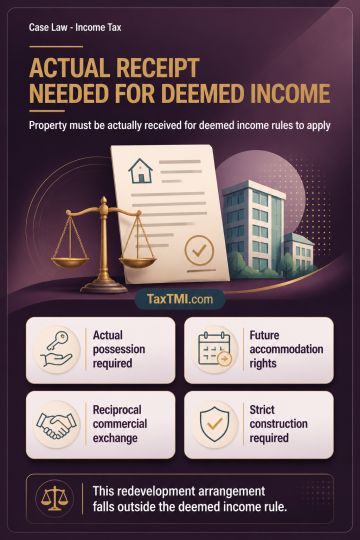
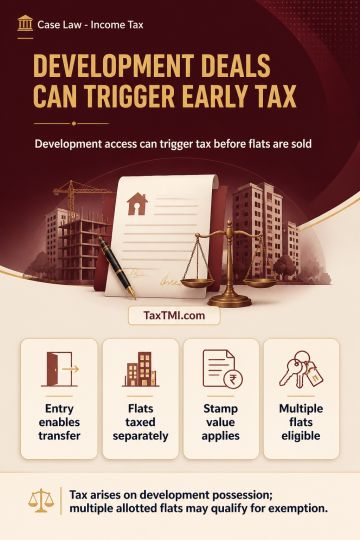
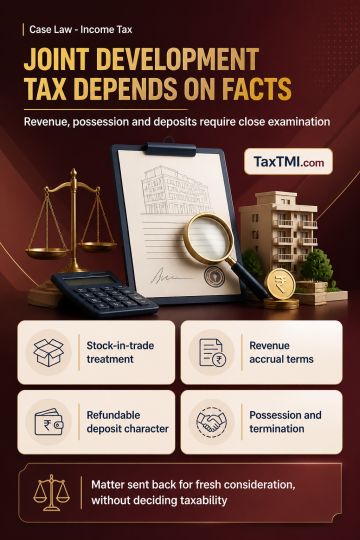
Receipt of immovable property requires actual possession or enjoyment; redevelopment allotments exchanged for tenancy rights fall outside deemed incom...
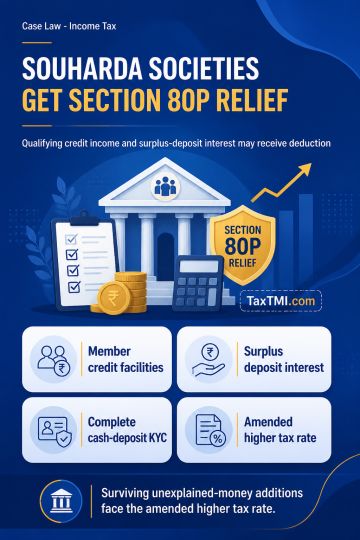
Section 80P deduction covers Souharda credit societies, including qualifying surplus-deposit interest, subject to member KYC verification for cash dep...
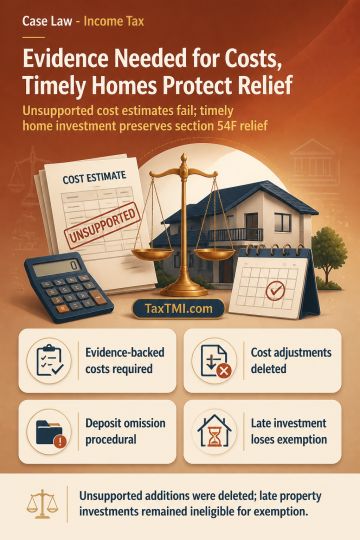
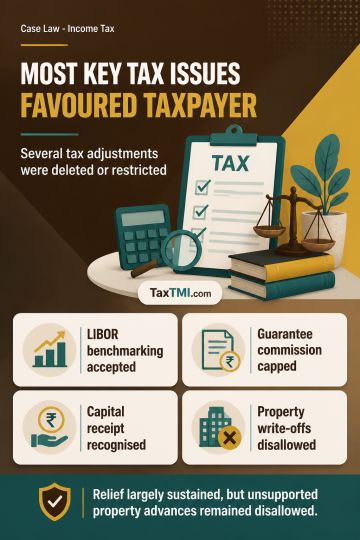
Transfer-pricing benchmarking and capital-receipt principles sustained taxpayer relief, while unsupported property-advance write-offs remained disallo...
The CESTAT upheld the denial of exemption notification benefits to the appellant for ELISA test kits imported for food testing, confirming they are not exempt under the relevant notification. However, the Tribunal held that the Principal Commissioner erred in invoking the extended period of limitation under Section 28(4) of the Customs Act, 1962, as there was no suppression of material facts with intent to evade duty, and prior findings on this issue had not been reconsidered appropriately. Consequently, the confirmation of differential duty for the extended period was set aside. Furthermore, the imposition of penalty under Section 114A was quashed, as the grounds for penalty were the same as those for invoking the extended limitation period, which was unjustified. The appeal was allowed, affirming duty liability only for the normal limitation period and setting aside the extended period demand and penalty.
The CESTAT upheld the denial of exemption notification benefits to the appellant for ELISA test kits imported for food testing, confirming they are not exempt under the relevant notification. However, the Tribunal held that the Principal Commissioner erred in invoking the extended period of limitation under Section 28(4) of the Customs Act, 1962, as there was no suppression of material facts with intent to evade duty, and prior findings on this issue had not been reconsidered appropriately. Consequently, the confirmation of differential duty for the extended period was set aside. Furthermore, the imposition of penalty under Section 114A was quashed, as the grounds for penalty were the same as those for invoking the extended limitation period, which was unjustified. The appeal was allowed, affirming duty liability only for the normal limitation period and setting aside the extended period demand and penalty.
Note: It is a system-generated summary and is for quick reference only.
 TaxTMI
 of 4798





 Join Channel


 TaxTMI