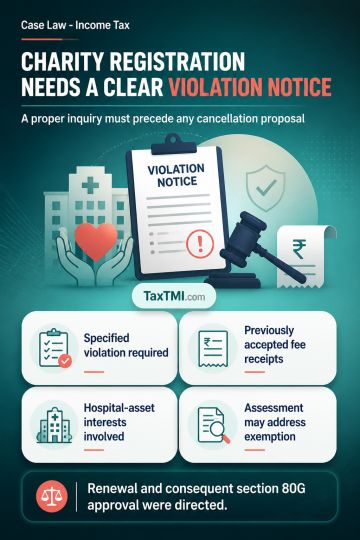
Charitable trust registration requires a specified-violation notice; settled cash deposits and related-party payments did not justify cancellation or ...
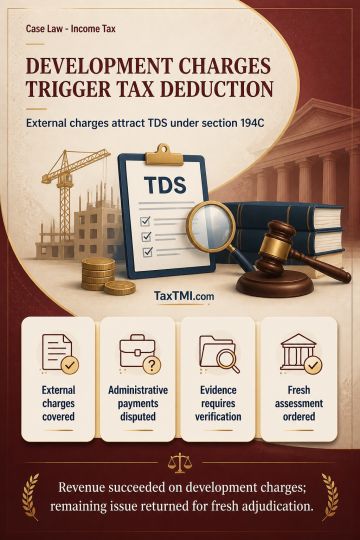
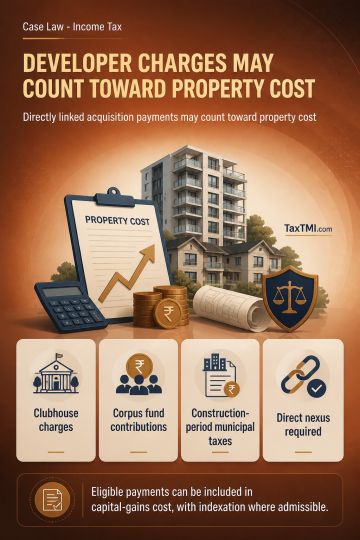
External development charges trigger TDS under section 194C, while disputed administrative payments require factual verification and fresh adjudicatio...
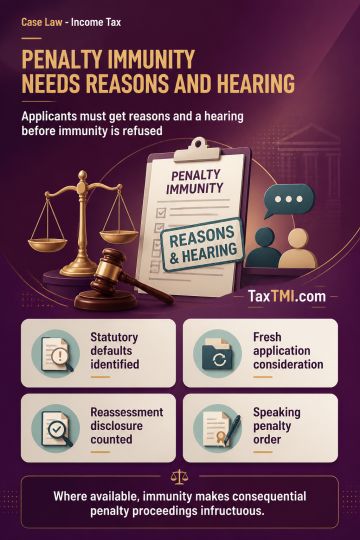
Section 270AA penalty immunity requires identified statutory defaults and a hearing before rejection; reassessment disclosure may constitute under-rep...
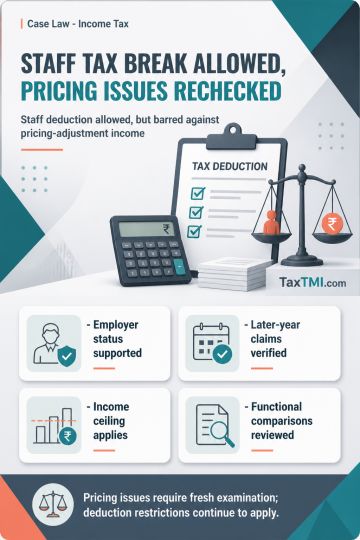
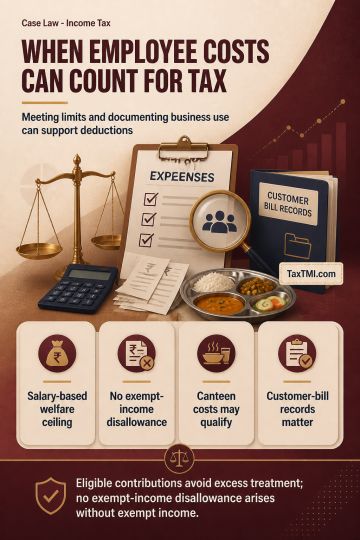
Section 80JJAA employee-cost deduction allowed for deployed staff but barred against transfer-pricing income enhancement, with pricing issues remanded...
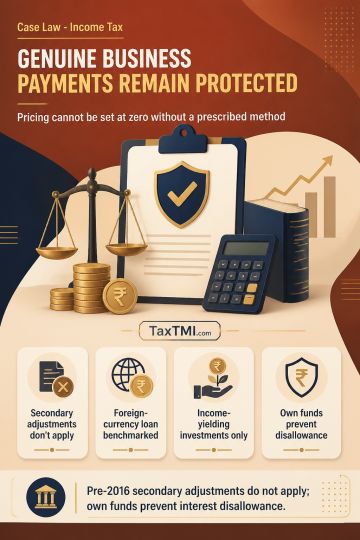
Transfer-pricing methodology protects commercially genuine associated-enterprise payments, while pre-2016 secondary adjustments and related notional i...
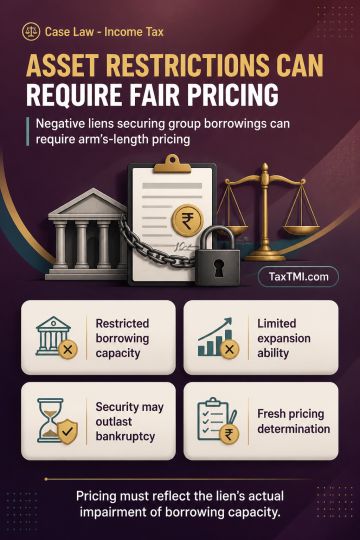
Negative liens over operating assets can constitute international transactions requiring arm's-length pricing reflecting restricted borrowing and expa...
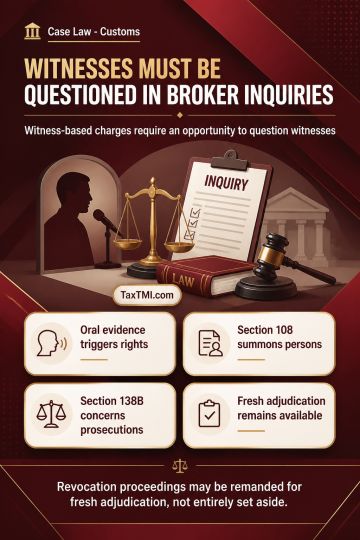
Cross-examination rights in Customs Broker revocation inquiries require witness examination; procedural denial may be cured through fresh adjudication...
The Income Tax Bill, 2025's SCHEDULE-XIII updates and streamlines the earlier SCHEDULE 11 of the Income-tax Act, 1961, listing specific articles excluded from certain tax incentives to align fiscal policy with social and economic priorities. Both schedules exclude luxury, non-essential, and sin goods such as alcohol, tobacco, cosmetics, and certain consumer and capital goods from investment-linked tax benefits. SCHEDULE-XIII consolidates explanations into the main text for clarity and removes obsolete items, reflecting legislative refinement and modernization. The core policy remains unchanged, aiming to direct incentives toward priority sectors and prevent misuse of tax benefits. However, some inclusions, like toothpaste and gramophones, may require reconsideration. The schedule impacts businesses by limiting tax benefits for listed goods and poses interpretative challenges for tax authorities. Future reforms could enhance periodic updates and clearer policy rationales to address evolving market and technological developments.
The Income Tax Bill, 2025's SCHEDULE-XIII updates and streamlines the earlier SCHEDULE 11 of the Income-tax Act, 1961, listing specific articles excluded from certain tax incentives to align fiscal policy with social and economic priorities. Both schedules exclude luxury, non-essential, and sin goods such as alcohol, tobacco, cosmetics, and certain consumer and capital goods from investment-linked tax benefits. SCHEDULE-XIII consolidates explanations into the main text for clarity and removes obsolete items, reflecting legislative refinement and modernization. The core policy remains unchanged, aiming to direct incentives toward priority sectors and prevent misuse of tax benefits. However, some inclusions, like toothpaste and gramophones, may require reconsideration. The schedule impacts businesses by limiting tax benefits for listed goods and poses interpretative challenges for tax authorities. Future reforms could enhance periodic updates and clearer policy rationales to address evolving market and technological developments.
Note: It is a system-generated summary and is for quick reference only.
 TaxTMI
  TaxTMI
 of 4828





 Join Channel


