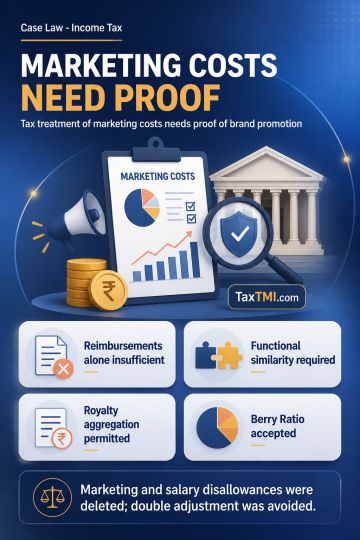
Transfer pricing requires evidence for AMP transactions, functionally reliable comparables, and appropriate aggregation or Berry Ratio benchmarking me...
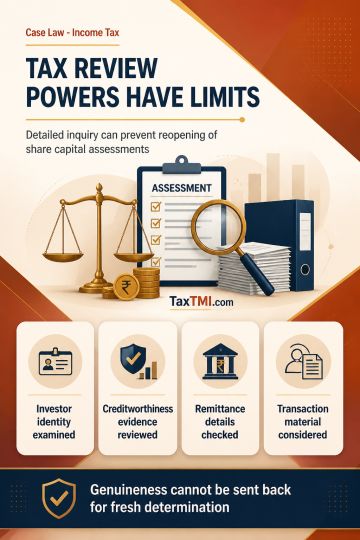
Revisionary jurisdiction cannot reopen share capital assessments where adequate inquiry supports a permissible view and no independent error is establ...
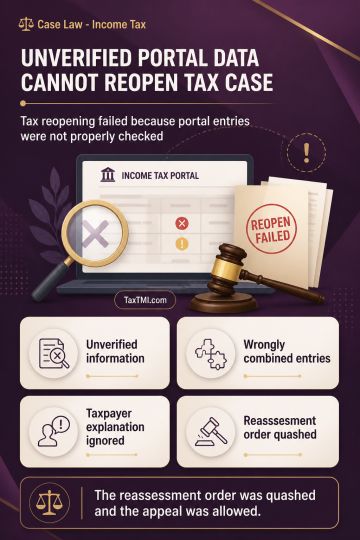
Reassessment jurisdiction fails where unverified portal information is aggregated without examining the taxpayer's explanation or relevance of entries...
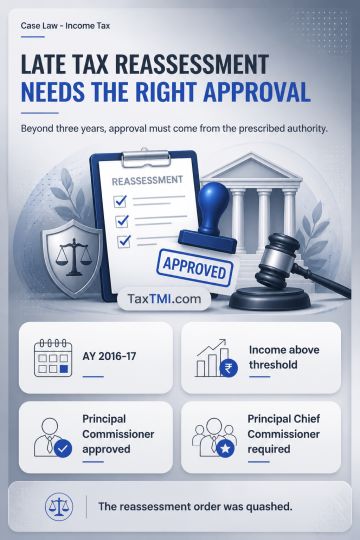
Statutory sanction for delayed reassessment requires approval from the prescribed authority; approval by an inferior authority invalidates jurisdictio...
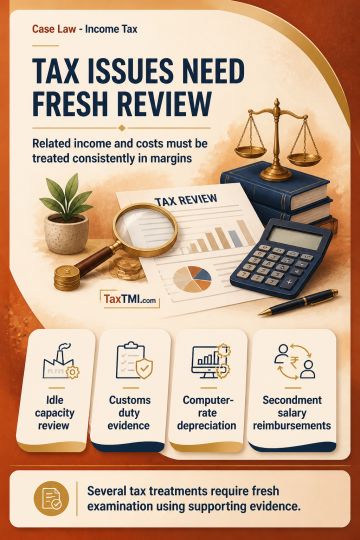
Transfer pricing margin adjustments require matching treatment of non-operating income and related costs, with comparability issues reconsidered on ev...
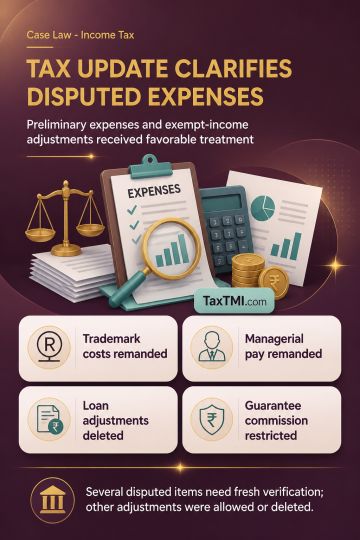
Preliminary-expense amortisation and MAT exempt-income adjustments prevailed, while trademark costs and managerial remuneration require fresh verifica...
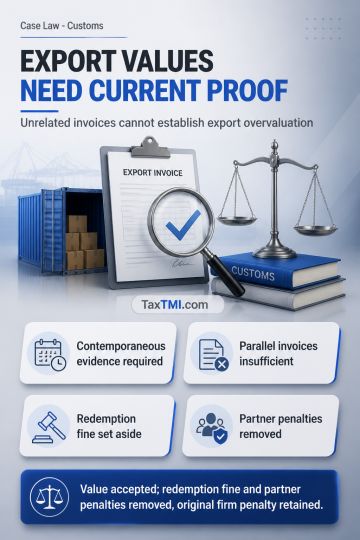
Export valuation requires contemporaneous evidence; unrelated invoices cannot prove overvaluation, and dual penalties on firm and partner are impermis...
The HC set aside the impugned order dated 20.02.2024 on terms, directing the petitioner to deposit 15% of the disputed tax, noting the petitioner had previously deposited 10% upon filing an appeal against the 05.12.2023 order. The Court acknowledged prior rulings balancing the interests of the assessee and revenue, mandating fresh proceedings strictly in accordance with GST laws, excluding the pendency period from limitation computation. However, this principle was stayed by the Division Bench, and a contrary view from another High Court was noted, holding that jurisdictional challenges to proceedings initiated under the respondent's authority are impermissible even if the prior appeal is allowed. The petition was disposed of following compliance with the deposit condition, thereby affirming the continuation of proceedings subject to statutory adherence and interim financial safeguards.
The HC set aside the impugned order dated 20.02.2024 on terms, directing the petitioner to deposit 15% of the disputed tax, noting the petitioner had previously deposited 10% upon filing an appeal against the 05.12.2023 order. The Court acknowledged prior rulings balancing the interests of the assessee and revenue, mandating fresh proceedings strictly in accordance with GST laws, excluding the pendency period from limitation computation. However, this principle was stayed by the Division Bench, and a contrary view from another High Court was noted, holding that jurisdictional challenges to proceedings initiated under the respondent's authority are impermissible even if the prior appeal is allowed. The petition was disposed of following compliance with the deposit condition, thereby affirming the continuation of proceedings subject to statutory adherence and interim financial safeguards.
Note: It is a system-generated summary and is for quick reference only.
 TaxTMI
 of 4798










 Join Channel


 TaxTMI
