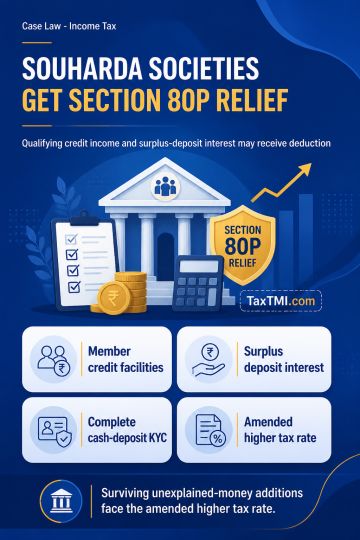
Section 80P deduction covers Souharda credit societies, including qualifying surplus-deposit interest, subject to member KYC verification for cash dep...
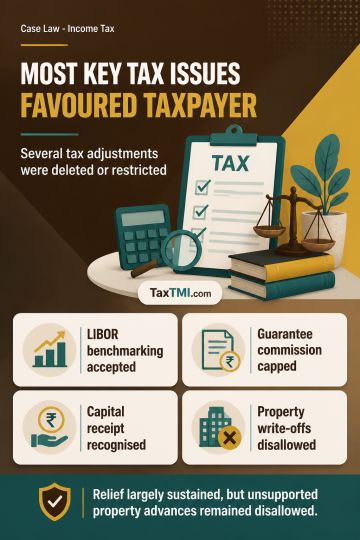
Transfer-pricing benchmarking and capital-receipt principles sustained taxpayer relief, while unsupported property-advance write-offs remained disallo...
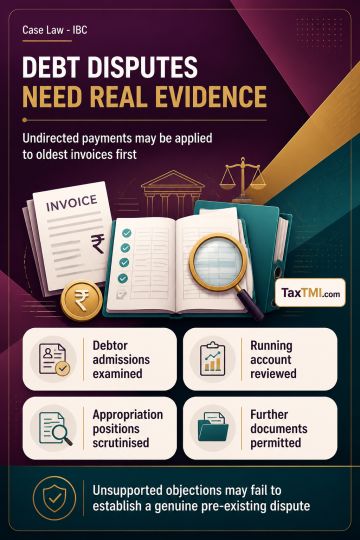
Pre-existing operational debt disputes require genuine evidence, while undirected running-account payments may be appropriated on a first-in-first-out...
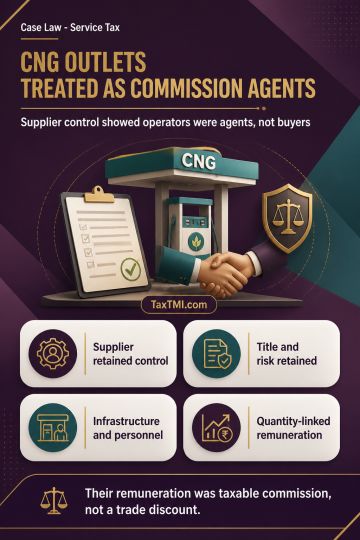
Agency in CNG distribution makes outlet operators commission agents, rendering taxable Business Auxiliary Service rather than purchasing goods for res...
The HC dismissed the writ petition challenging the reversal of Input Tax Credit (ITC) on grounds of irregular availing from suppliers with cancelled registrations, noting the petitioner conflated provisions of Section 16 with Section 74 of the Act. Section 16 governs eligibility of ITC, while Section 74 addresses proceedings in cases of fraud or willful misstatement. The court emphasized the multi-tiered statutory adjudicatory framework, including appeals under Section 107 and before the Appellate Tribunal, which are competent to examine factual disputes. Given the factual nature of the controversy and the availability of efficacious statutory remedies, the HC declined to interfere via writ jurisdiction. The petition was dismissed without costs, permitting the petitioner to pursue relief through the prescribed appellate mechanisms.
The HC dismissed the writ petition challenging the reversal of Input Tax Credit (ITC) on grounds of irregular availing from suppliers with cancelled registrations, noting the petitioner conflated provisions of Section 16 with Section 74 of the Act. Section 16 governs eligibility of ITC, while Section 74 addresses proceedings in cases of fraud or willful misstatement. The court emphasized the multi-tiered statutory adjudicatory framework, including appeals under Section 107 and before the Appellate Tribunal, which are competent to examine factual disputes. Given the factual nature of the controversy and the availability of efficacious statutory remedies, the HC declined to interfere via writ jurisdiction. The petition was dismissed without costs, permitting the petitioner to pursue relief through the prescribed appellate mechanisms.
Note: It is a system-generated summary and is for quick reference only.
 TaxTMI
 of 4805




 Join Channel


 TaxTMI