Food supplement classification requires common parlance and authoritative tests, preventing treatment as proprietary Ayurvedic medicines without suppo...
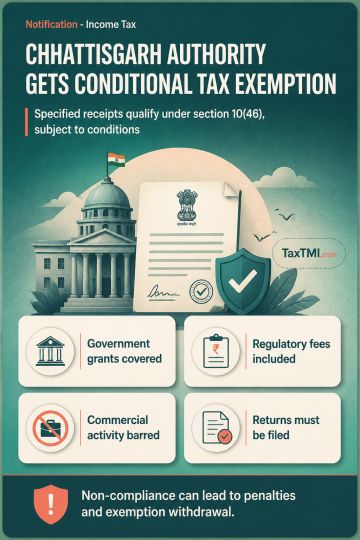
Specified regulatory authority income receives conditional tax exemption, subject to non-commercial activity, unchanged income character, and return f...
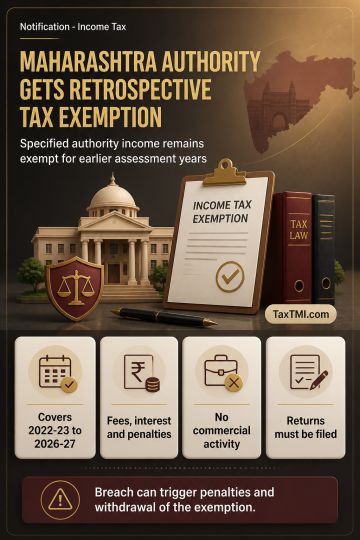
Tax exemption for regulatory authority income applies retrospectively, subject to non-commercial activity, unchanged income sources, and return-filing...
Input tax credit conditions remain constitutionally valid, with eligible recipient claims considered under GST circulars and retrospective filing dead...
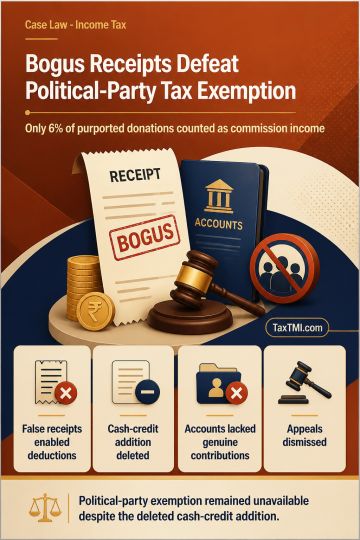
Bogus donation receipts justified commission income assessment and defeated political-party tax exemption for inaccurate accounts and reporting failur...
The HC dismissed the writ petition challenging the reversal of Input Tax Credit (ITC) on grounds of irregular availing from suppliers with cancelled registrations, noting the petitioner conflated provisions of Section 16 with Section 74 of the Act. Section 16 governs eligibility of ITC, while Section 74 addresses proceedings in cases of fraud or willful misstatement. The court emphasized the multi-tiered statutory adjudicatory framework, including appeals under Section 107 and before the Appellate Tribunal, which are competent to examine factual disputes. Given the factual nature of the controversy and the availability of efficacious statutory remedies, the HC declined to interfere via writ jurisdiction. The petition was dismissed without costs, permitting the petitioner to pursue relief through the prescribed appellate mechanisms.
The HC dismissed the writ petition challenging the reversal of Input Tax Credit (ITC) on grounds of irregular availing from suppliers with cancelled registrations, noting the petitioner conflated provisions of Section 16 with Section 74 of the Act. Section 16 governs eligibility of ITC, while Section 74 addresses proceedings in cases of fraud or willful misstatement. The court emphasized the multi-tiered statutory adjudicatory framework, including appeals under Section 107 and before the Appellate Tribunal, which are competent to examine factual disputes. Given the factual nature of the controversy and the availability of efficacious statutory remedies, the HC declined to interfere via writ jurisdiction. The petition was dismissed without costs, permitting the petitioner to pursue relief through the prescribed appellate mechanisms.
Note: It is a system-generated summary and is for quick reference only.
 TaxTMI
 of 4803













 Join Channel


 TaxTMI