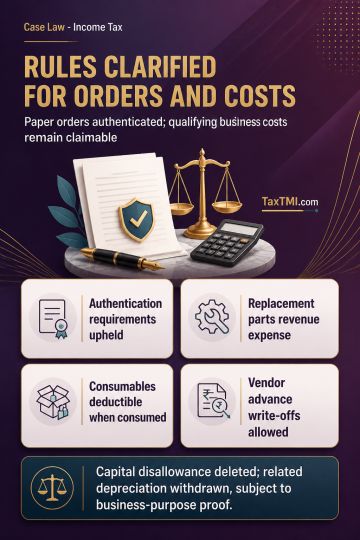
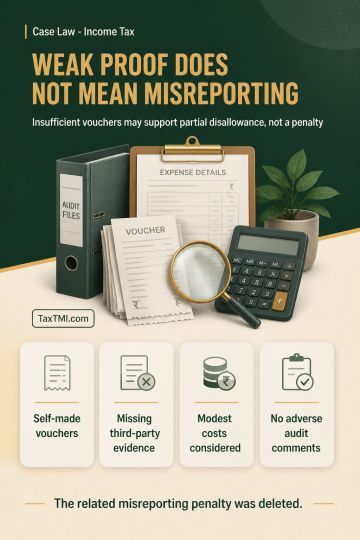
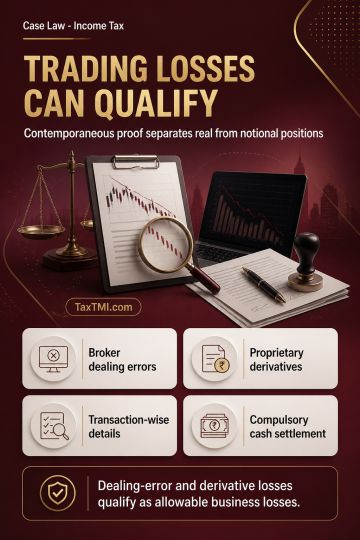
Authentication of paper assessment orders upheld, while qualifying repairs, consumables and vendor advance write-offs remain deductible business claim...
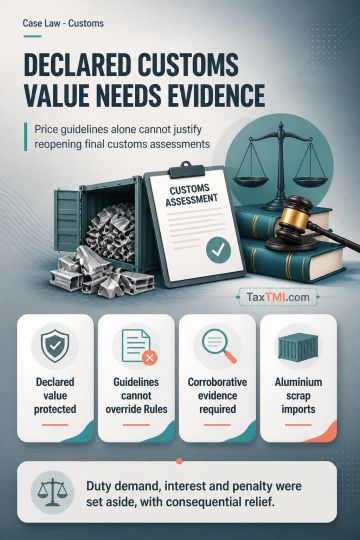
Transaction value cannot be rejected solely on non-statutory valuation guidelines without corroborative evidence supporting reassessment of final cust...
Cross-examination rights and corroborated evidence limit customs penalties for misdeclaration in genuine import transactions involving documented clea...
Tariff classification of vehicle gear components follows the specific gearing entry, displacing motor-vehicle parts classification and related liabili...
Necessary-party requirements limit impleadment of independent entities, while deferred consideration does not create an appealable adverse determinati...
The HC dismissed the writ petition challenging the reversal of Input Tax Credit (ITC) on grounds of irregular availing from suppliers with cancelled registrations, noting the petitioner conflated provisions of Section 16 with Section 74 of the Act. Section 16 governs eligibility of ITC, while Section 74 addresses proceedings in cases of fraud or willful misstatement. The court emphasized the multi-tiered statutory adjudicatory framework, including appeals under Section 107 and before the Appellate Tribunal, which are competent to examine factual disputes. Given the factual nature of the controversy and the availability of efficacious statutory remedies, the HC declined to interfere via writ jurisdiction. The petition was dismissed without costs, permitting the petitioner to pursue relief through the prescribed appellate mechanisms.
The HC dismissed the writ petition challenging the reversal of Input Tax Credit (ITC) on grounds of irregular availing from suppliers with cancelled registrations, noting the petitioner conflated provisions of Section 16 with Section 74 of the Act. Section 16 governs eligibility of ITC, while Section 74 addresses proceedings in cases of fraud or willful misstatement. The court emphasized the multi-tiered statutory adjudicatory framework, including appeals under Section 107 and before the Appellate Tribunal, which are competent to examine factual disputes. Given the factual nature of the controversy and the availability of efficacious statutory remedies, the HC declined to interfere via writ jurisdiction. The petition was dismissed without costs, permitting the petitioner to pursue relief through the prescribed appellate mechanisms.
Note: It is a system-generated summary and is for quick reference only.
 TaxTMI
 of 4803














 Join Channel


 TaxTMI
