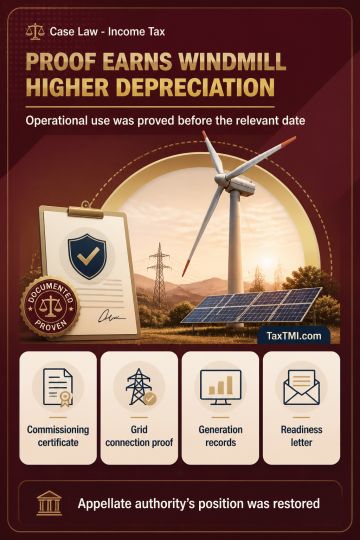
Windmill commissioning evidence supported higher depreciation where grid connection and electricity generation proved operational use before the relev...
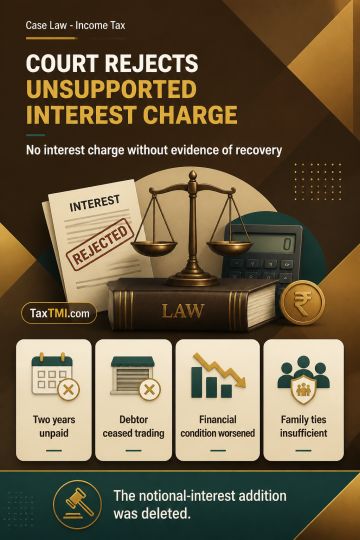
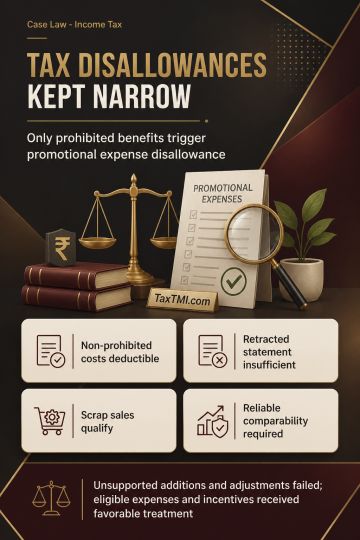
Pharmaceutical promotion and transfer-pricing comparability principles limited disallowances, while uncorroborated search allegations and unsupported ...
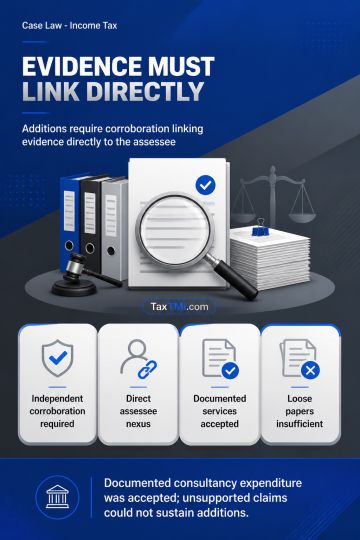
Business expenditure substantiation supports scrap credits, statutory payments and expense claims, while depreciation requires proof of actual busines...
The HC dismissed the writ petition challenging the denial of Input Tax Credit (ITC) where the petitioner was found to have availed inadmissible credit based on fictitious invoices issued by non-existent suppliers. The Court held that no Show Cause Notice or personal hearing violated natural justice principles, but the writ petition was not maintainable due to the fraudulent nature of the ITC claim, aligning with precedent restricting writ relief in such cases to protect the exchequer and GST regime. The limitation argument was rejected as the impugned order was validly passed within the prescribed period. The petitioner was granted leave to file an appeal before the Appellate Authority within one month, subject to the required pre-deposit.
The HC dismissed the writ petition challenging the denial of Input Tax Credit (ITC) where the petitioner was found to have availed inadmissible credit based on fictitious invoices issued by non-existent suppliers. The Court held that no Show Cause Notice or personal hearing violated natural justice principles, but the writ petition was not maintainable due to the fraudulent nature of the ITC claim, aligning with precedent restricting writ relief in such cases to protect the exchequer and GST regime. The limitation argument was rejected as the impugned order was validly passed within the prescribed period. The petitioner was granted leave to file an appeal before the Appellate Authority within one month, subject to the required pre-deposit.
Note: It is a system-generated summary and is for quick reference only.
 TaxTMI
 of 4803







 Join Channel


 TaxTMI
