Transaction value cannot be rejected solely on non-statutory valuation guidelines without corroborative evidence supporting reassessment of final cust...
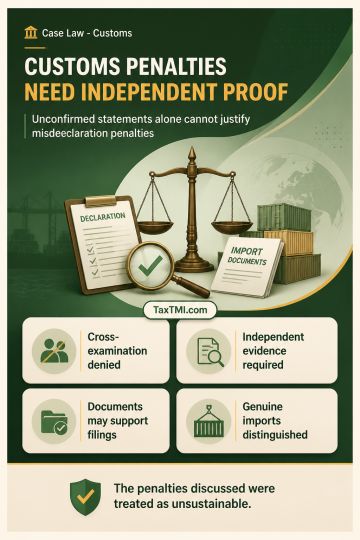
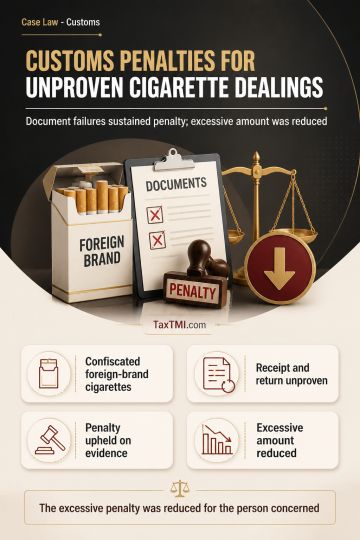
Cross-examination rights and corroborated evidence limit customs penalties for misdeclaration in genuine import transactions involving documented clea...
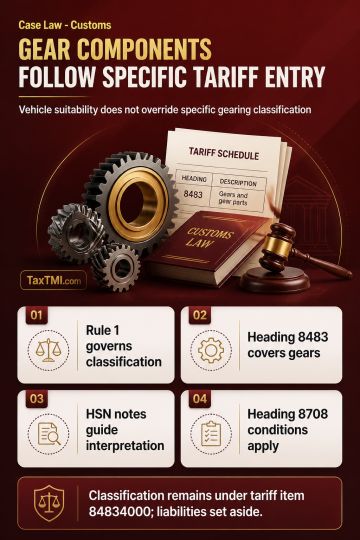
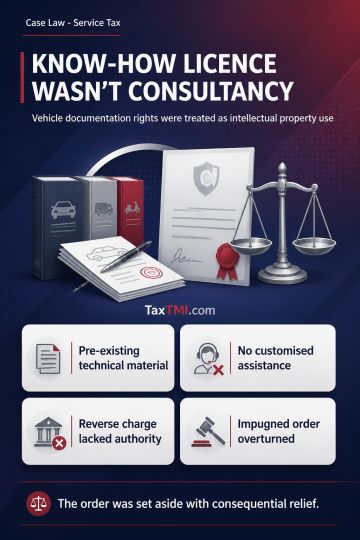
Tariff classification of vehicle gear components follows the specific gearing entry, displacing motor-vehicle parts classification and related liabili...
Necessary-party requirements limit impleadment of independent entities, while deferred consideration does not create an appealable adverse determinati...
Food supplement classification requires common parlance and authoritative tests, preventing treatment as proprietary Ayurvedic medicines without suppo...
The HC held that the restriction imposed by the Respondents on transferring un-utilized ITC post-merger/amalgamation under Section 18(3) CGST Act, 2017, based on differing States/UTs of transferor and transferee, is not supported by the statutory scheme. The Court clarified that the CGST Act prescribes specific timelines for ITC claims and permits transfer of ITC to a new entity arising from amalgamation or merger without imposing a same-State requirement. Legislative intent must be ascertained from the statute's language without adding or substituting words. Consequently, the Petitioner, a new entity formed by amalgamation, is entitled to the transfer of ITC from the transferor company despite differing States. The petition was allowed, directing the Respondents to enable ITC transfer accordingly.
The HC held that the restriction imposed by the Respondents on transferring un-utilized ITC post-merger/amalgamation under Section 18(3) CGST Act, 2017, based on differing States/UTs of transferor and transferee, is not supported by the statutory scheme. The Court clarified that the CGST Act prescribes specific timelines for ITC claims and permits transfer of ITC to a new entity arising from amalgamation or merger without imposing a same-State requirement. Legislative intent must be ascertained from the statute's language without adding or substituting words. Consequently, the Petitioner, a new entity formed by amalgamation, is entitled to the transfer of ITC from the transferor company despite differing States. The petition was allowed, directing the Respondents to enable ITC transfer accordingly.
Note: It is a system-generated summary and is for quick reference only.
 TaxTMI
 of 4801














 Join Channel


 TaxTMI
