Retention of seized property survives where recorded reasons support proceeds of crime, while stayed investigation periods are excluded from limitatio...
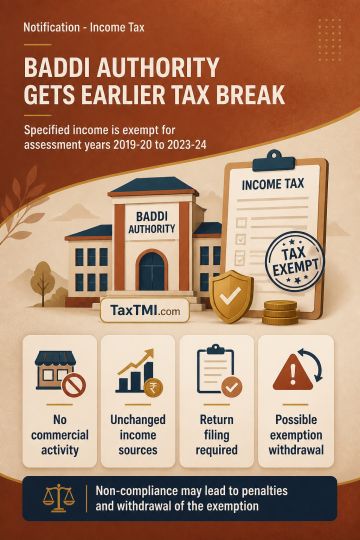
Specified income of Baddi Barotiwala Nalagarh Development Authority receives conditional tax exemption, retrospectively covering its designated assess...
Specified development authority income receives retrospective tax exemption, subject to non-commercial activity, unchanged income sources, and return-...
Unified Brand India framework introduces voluntary Trust Mark certification and funding support for export branding, packaging and global promotional ...
Origin Declaration authentication governs preferential tariff claims under India-UK CETA, requiring a validated reference number before import clearan...
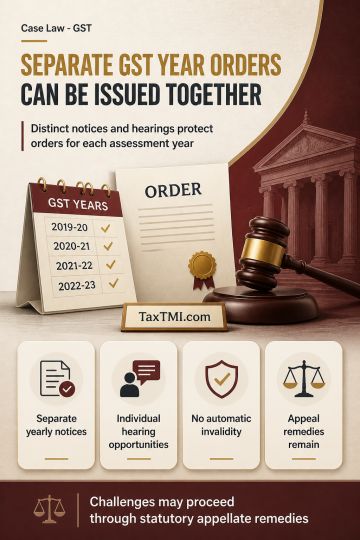
Separate assessment orders for different years remain valid when distinct notices and hearing opportunities prevent prejudice from combined proceeding...
The ITAT held that the grant received by the assessee company from the UP Government, intended to pay outstanding cane growers' dues, is capital in nature and not a revenue receipt. The grant aimed to protect the intrinsic value of the share capital held by the State Government prior to disinvestment, and its utilization for revenue expenses does not convert it into taxable income. The Tribunal rejected the AO's view that the grant amounted to remission or cessation of liability under section 41(1), as no waiver occurred; the assessee acted merely as a conduit for the government's directed payment. Consequently, the impugned taxation of the grant as income under section 41(1) was quashed, and the appeals were allowed, affirming that the grant is not taxable in the hands of the assessee.
The ITAT held that the grant received by the assessee company from the UP Government, intended to pay outstanding cane growers' dues, is capital in nature and not a revenue receipt. The grant aimed to protect the intrinsic value of the share capital held by the State Government prior to disinvestment, and its utilization for revenue expenses does not convert it into taxable income. The Tribunal rejected the AO's view that the grant amounted to remission or cessation of liability under section 41(1), as no waiver occurred; the assessee acted merely as a conduit for the government's directed payment. Consequently, the impugned taxation of the grant as income under section 41(1) was quashed, and the appeals were allowed, affirming that the grant is not taxable in the hands of the assessee.
Note: It is a system-generated summary and is for quick reference only.
 TaxTMI
 of 4805

















 Join Channel


 TaxTMI
