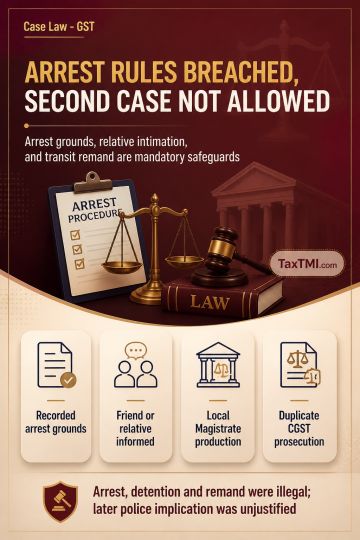
Arrest safeguards require disclosed grounds, relative intimation and transit remand, while duplicate prosecution under the CGST framework is unsustain...
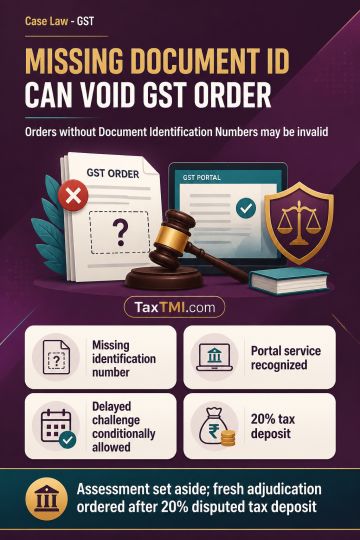
Document Identification Number defects can invalidate GST assessments, with delayed challenges entertained conditionally where patent irregularities e...
Windmill commissioning evidence supported higher depreciation where grid connection and electricity generation proved operational use before the relev...
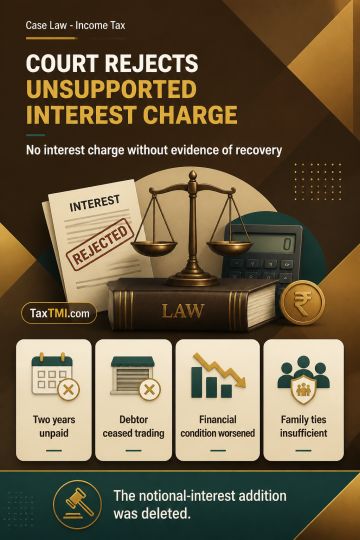
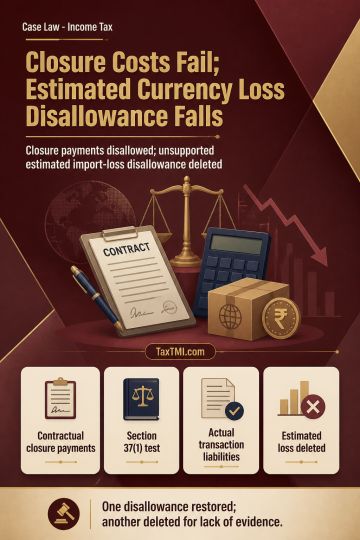
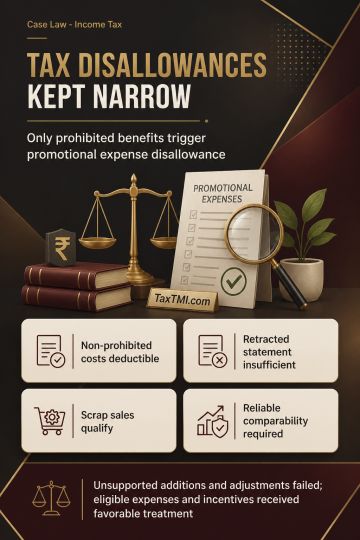
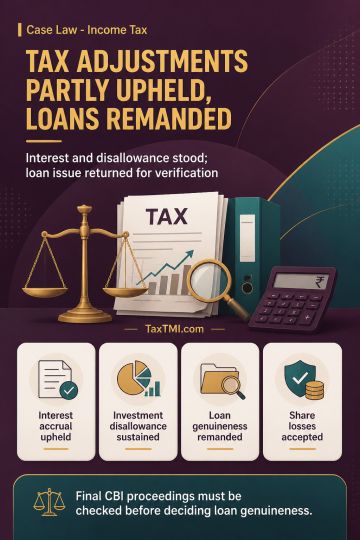
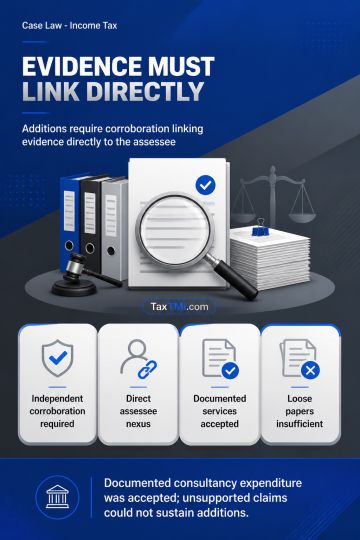
Pharmaceutical promotion and transfer-pricing comparability principles limited disallowances, while uncorroborated search allegations and unsupported ...
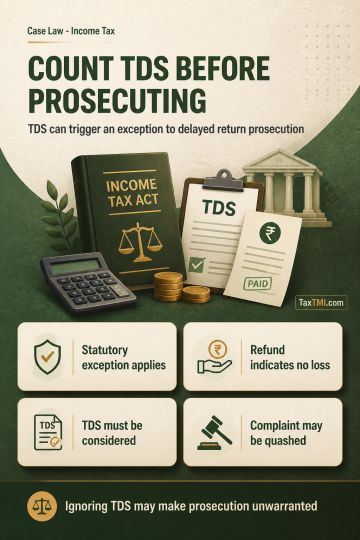
Business expenditure substantiation supports scrap credits, statutory payments and expense claims, while depreciation requires proof of actual busines...
The HC held that an order dismissing a rectification application under Section 161 of the TNGST Act, 2017, is an adverse decision but does not constitute rectification requiring adherence to natural justice principles. The third proviso to Section 161 applies only when a positive rectification is made that affects a person. If the rectification petition is dismissed without alteration of the original order, no rectification occurs, and thus, the principles of natural justice, including the right to a personal hearing, are not triggered. The Court affirmed that refusal to rectify is not equivalent to rectification under the statute. Consequently, there is no statutory obligation to grant a hearing before dismissing a rectification petition. The Single Judge's order dismissing the appeal was upheld.
The HC held that an order dismissing a rectification application under Section 161 of the TNGST Act, 2017, is an adverse decision but does not constitute rectification requiring adherence to natural justice principles. The third proviso to Section 161 applies only when a positive rectification is made that affects a person. If the rectification petition is dismissed without alteration of the original order, no rectification occurs, and thus, the principles of natural justice, including the right to a personal hearing, are not triggered. The Court affirmed that refusal to rectify is not equivalent to rectification under the statute. Consequently, there is no statutory obligation to grant a hearing before dismissing a rectification petition. The Single Judge's order dismissing the appeal was upheld.
Note: It is a system-generated summary and is for quick reference only.
 TaxTMI
 of 4805












 Join Channel


 TaxTMI