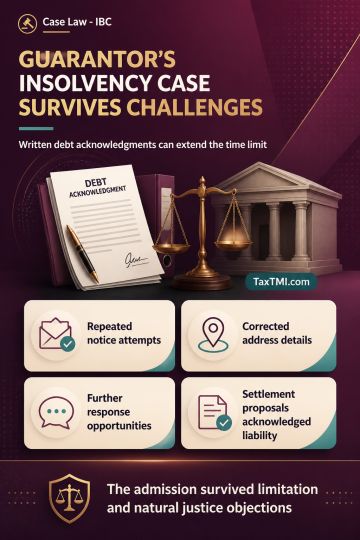
Service of notice and contractual debt acknowledgment preserved insolvency admission against a corporate guarantor despite limitation and natural just...
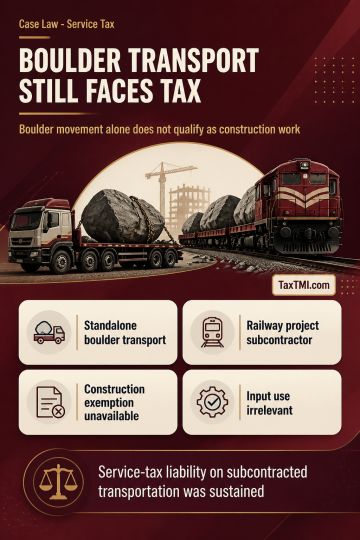
Original works exemption excludes standalone boulder transportation, leaving subcontracted railway-project transport services subject to service tax l...
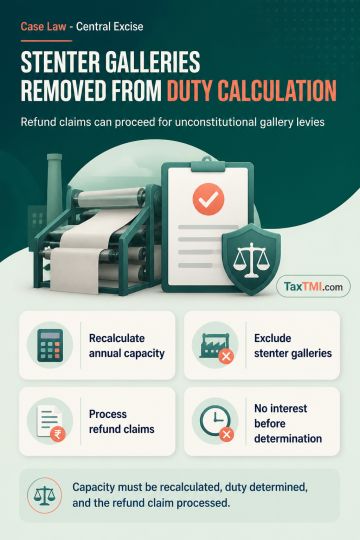
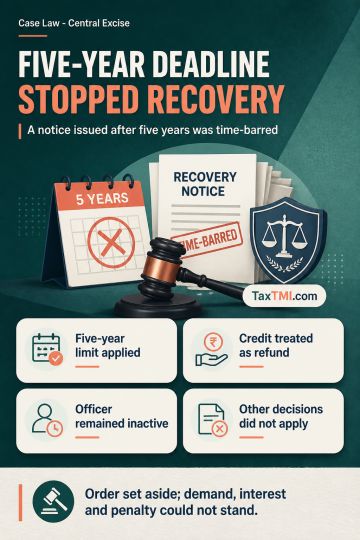
Annual production capacity determinations excluding stenter galleries support refunds for unconstitutional excise levies without an unjust-enrichment ...
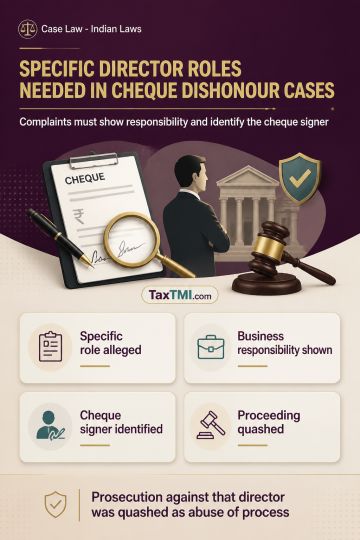
Vicarious liability for cheque dishonour requires specific allegations of responsibility and cheque signatory; generic director allegations cannot sus...
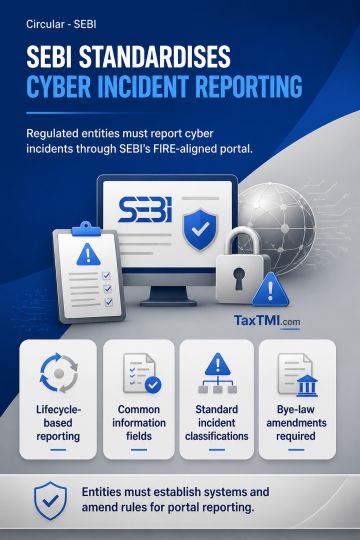
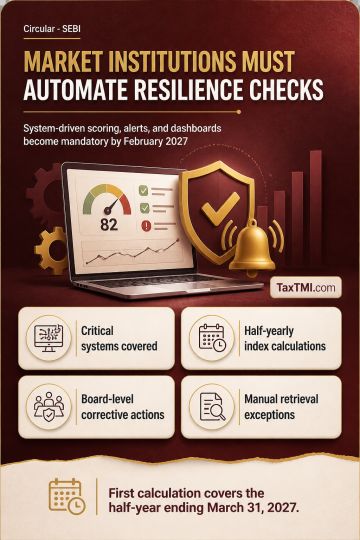
IT Resilience Index requires market infrastructure institutions to automate resilience scoring, early warnings, and continuous service-delivery monito...
The HC allowed the appeal and directed registration of the trust under Section 12AA despite the application being made twenty years after execution of the trust deed. The court held that delayed application does not bar registration as no statutory time limit exists. It was determined that the trust's purpose of education qualified as a charitable purpose under Section 2(15). The presence of lineal descendants as life trustees managing the trust did not preclude it from being for public benefit, given the trust's activities and supplementary deed expanding trustee powers. Non-expenditure of 50% of income was not a ground to deny registration, as mandatory spending thresholds under Section 11 apply only post-registration for exemption claims. There was no evidence of income diversion for private benefit. Consequently, the trust met the legal criteria for registration under Section 12AA, entitling it to tax exemption benefits.
The HC allowed the appeal and directed registration of the trust under Section 12AA despite the application being made twenty years after execution of the trust deed. The court held that delayed application does not bar registration as no statutory time limit exists. It was determined that the trust's purpose of education qualified as a charitable purpose under Section 2(15). The presence of lineal descendants as life trustees managing the trust did not preclude it from being for public benefit, given the trust's activities and supplementary deed expanding trustee powers. Non-expenditure of 50% of income was not a ground to deny registration, as mandatory spending thresholds under Section 11 apply only post-registration for exemption claims. There was no evidence of income diversion for private benefit. Consequently, the trust met the legal criteria for registration under Section 12AA, entitling it to tax exemption benefits.
Note: It is a system-generated summary and is for quick reference only.
 TaxTMI
  TaxTMI
 of 4828






 Join Channel