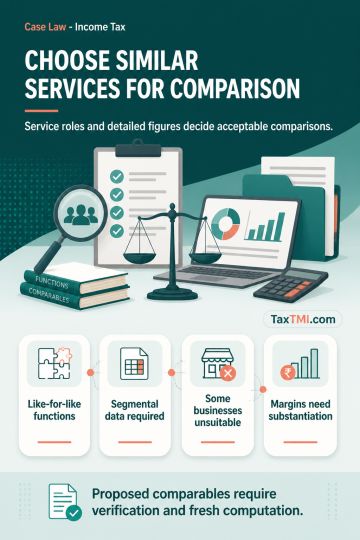
Functional comparability governs selection of support-service and IT-enabled service comparables, with verification required for unresolved data and m...
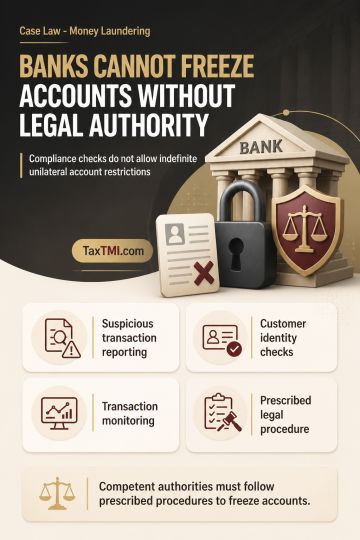
Bank account freezing requires statutory authority; anti-money-laundering compliance and KYC monitoring do not permit unilateral indefinite restrictio...
The SC upheld that the partnership did not automatically dissolve upon the death of a partner, as Section 42 of the Partnership Act applies only to two-partner firms. Here, the partnership involved three partners, and the deed explicitly allowed continuation despite a partner's death. The Dealership Agreement empowered IOCL to either continue, reconstitute, or terminate the dealership upon such death. IOCL had not terminated the agreement but refused to recognize the reconstituted firm including the surviving partners and one heir, citing non-participation by all heirs. The SC found IOCL misconstrued its guidelines by denying recognition without valid grounds. Consequently, the partnership was deemed to continue lawfully, and the High Court's order upholding this was affirmed. The special leave petition was dismissed.
The SC upheld that the partnership did not automatically dissolve upon the death of a partner, as Section 42 of the Partnership Act applies only to two-partner firms. Here, the partnership involved three partners, and the deed explicitly allowed continuation despite a partner's death. The Dealership Agreement empowered IOCL to either continue, reconstitute, or terminate the dealership upon such death. IOCL had not terminated the agreement but refused to recognize the reconstituted firm including the surviving partners and one heir, citing non-participation by all heirs. The SC found IOCL misconstrued its guidelines by denying recognition without valid grounds. Consequently, the partnership was deemed to continue lawfully, and the High Court's order upholding this was affirmed. The special leave petition was dismissed.
Note: It is a system-generated summary and is for quick reference only.
 TaxTMI
  TaxTMI
 of 4828



 Join Channel