PMLA anticipatory bail requires satisfaction of twin conditions, while predicate-offence protection does not extend to independent money-laundering pr...
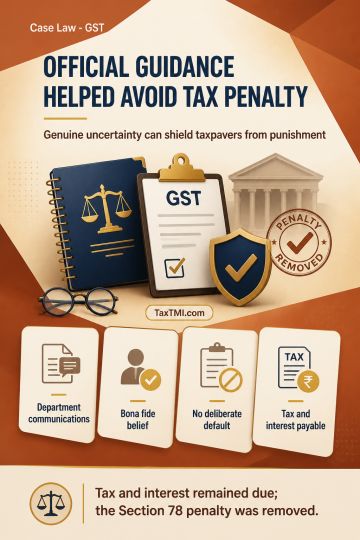
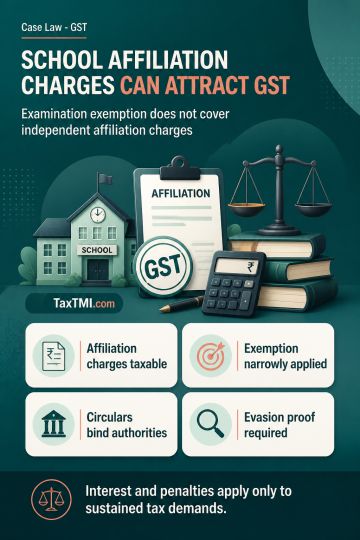
School-affiliation charges remain taxable where not directly connected with examinations, while extended limitation requires proof of deliberate tax e...
The SC held that in dishonour of cheque cases under Section 138 read with Section 141, a partnership firm lacks separate legal personality and cannot be prosecuted independently of its partners. The partners are jointly and severally liable, not vicariously, for the offence, distinguishing them from a company which enjoys separate legal identity and vicarious liability of its directors. Consequently, the dismissal of the complaint for non-joinder of the partnership firm as an accused was erroneous. The notice issued to the partners is deemed to include the firm, and the complaint remains maintainable against the partners notwithstanding the firm's absence as a party. The SC set aside the High Court's order and allowed the appeal, permitting the partnership firm to be arraigned as an accused alongside its partners.
The SC held that in dishonour of cheque cases under Section 138 read with Section 141, a partnership firm lacks separate legal personality and cannot be prosecuted independently of its partners. The partners are jointly and severally liable, not vicariously, for the offence, distinguishing them from a company which enjoys separate legal identity and vicarious liability of its directors. Consequently, the dismissal of the complaint for non-joinder of the partnership firm as an accused was erroneous. The notice issued to the partners is deemed to include the firm, and the complaint remains maintainable against the partners notwithstanding the firm's absence as a party. The SC set aside the High Court's order and allowed the appeal, permitting the partnership firm to be arraigned as an accused alongside its partners.
Note: It is a system-generated summary and is for quick reference only.
 TaxTMI
  TaxTMI
 of 4828












 Join Channel


