Specified regulatory authority income receives conditional tax exemption, subject to non-commercial activity, unchanged income character, and return f...
Tax exemption for regulatory authority income applies retrospectively, subject to non-commercial activity, unchanged income sources, and return-filing...
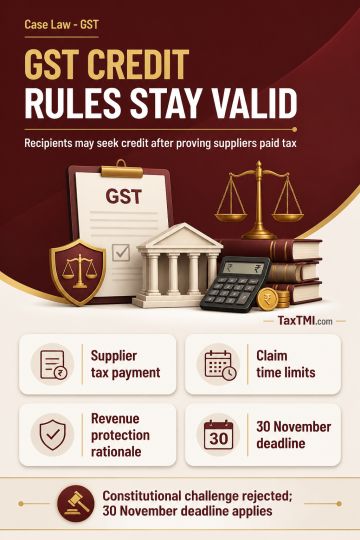
Input tax credit conditions remain constitutionally valid, with eligible recipient claims considered under GST circulars and retrospective filing dead...
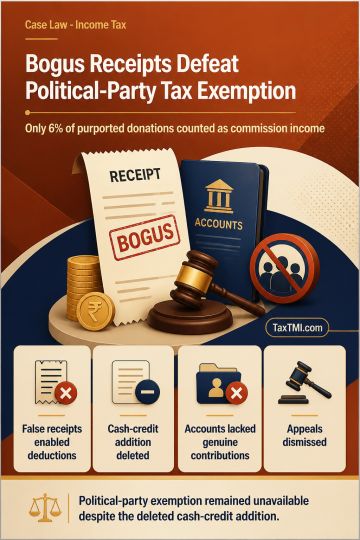
Bogus donation receipts justified commission income assessment and defeated political-party tax exemption for inaccurate accounts and reporting failur...
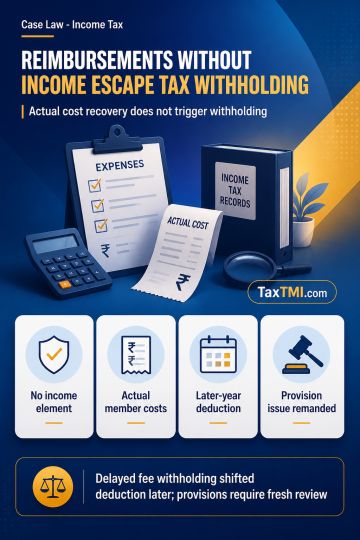
Pure reimbursement without income element escapes tax withholding, while delayed withholding and unsupported provisions face deferred or renewed scrut...
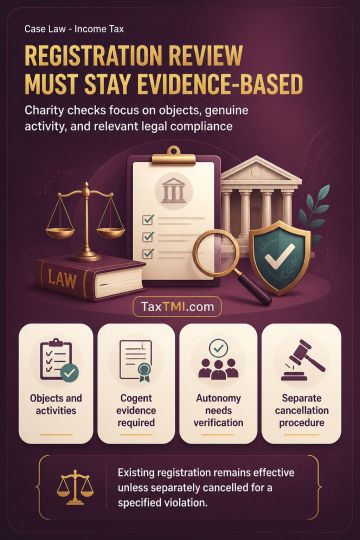
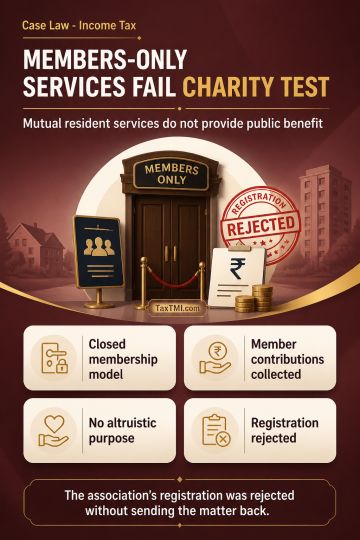
Public benefit requirement defeats charitable registration where residents' association services are reciprocal, member-only facilities governed by mu...
The HC held that under Section 26E of the SARFAESI Act, the secured creditor possesses priority over the secured asset concerning recovery of dues. Since the secured creditor had not taken possession of the property, the CGST authorities were justified in attaching the asset. Despite the admitted outstanding dues owed to both the CGST authorities and the secured creditor, the court allowed the secured creditor to proceed with enforcement against the secured asset. The ruling clarified that the CGST authorities' right to recover dues is subordinate to the secured creditor's interests, who must maintain transparent accounting and share transaction details with the CGST authorities. The court referred to established precedent confirming that statutory dues under other enactments, such as the MSMED Act, do not confer similar priority rights. The petition was accordingly disposed of.
The HC held that under Section 26E of the SARFAESI Act, the secured creditor possesses priority over the secured asset concerning recovery of dues. Since the secured creditor had not taken possession of the property, the CGST authorities were justified in attaching the asset. Despite the admitted outstanding dues owed to both the CGST authorities and the secured creditor, the court allowed the secured creditor to proceed with enforcement against the secured asset. The ruling clarified that the CGST authorities' right to recover dues is subordinate to the secured creditor's interests, who must maintain transparent accounting and share transaction details with the CGST authorities. The court referred to established precedent confirming that statutory dues under other enactments, such as the MSMED Act, do not confer similar priority rights. The petition was accordingly disposed of.
Note: It is a system-generated summary and is for quick reference only.
 TaxTMI
 of 4805







 Join Channel


 TaxTMI