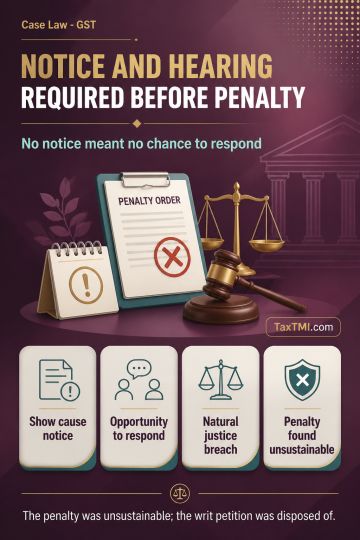
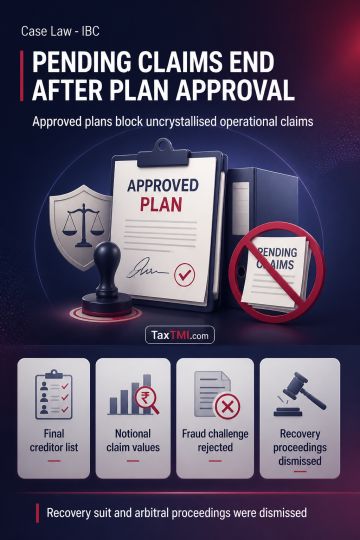
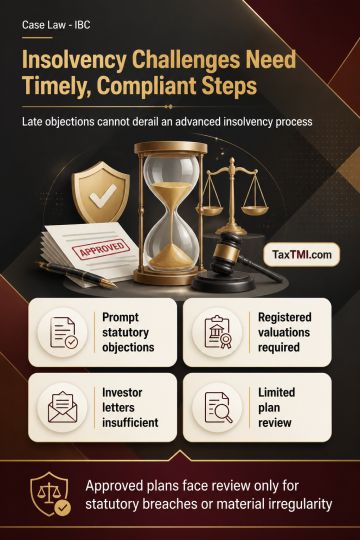
Clean slate principle extinguishes uncrystallised operational claims and bars continuation of pending recovery and arbitral proceedings after plan app...
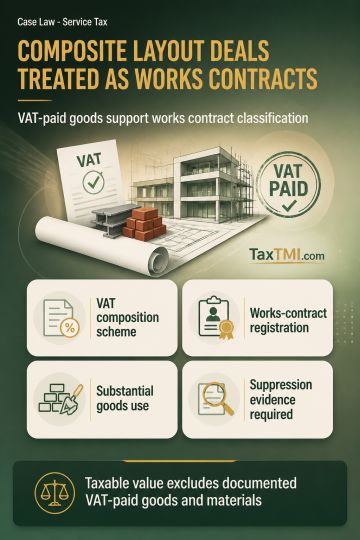
Works contract classification governs composite layout-development contracts where VAT-paid goods are transferred alongside construction and infrastru...
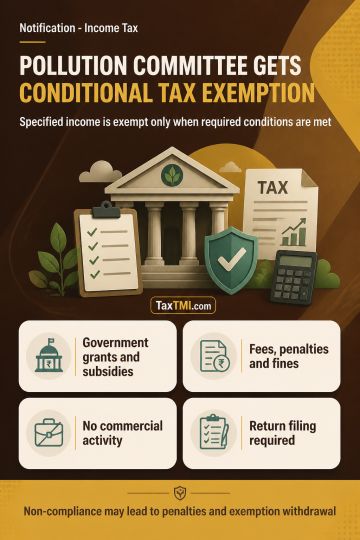
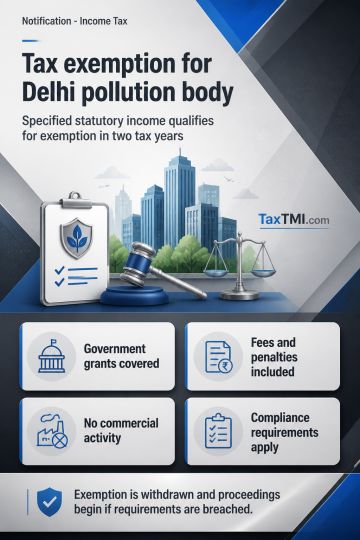
Specified income tax exemption for pollution control body remains conditional on non-commercial activity, unchanged income character, and return filin...
The Appellate Tribunal held that the limitation period for filing the appeal commenced on the date the impugned order was pronounced, with a 30-day limitation period and an additional 15-day extension under Section 14 of the Limitation Act, 1963. The appellant's delay of 117 days far exceeded the permissible period, and the Tribunal found the appellant's conduct reckless and lacking bona fides or due diligence. Consequently, the appellant was not entitled to the benefit of condonation under Section 14. Furthermore, relying on binding precedent, the Tribunal reaffirmed its lack of jurisdiction to condone delay beyond 15 days. Accordingly, the appeal was dismissed for being barred by limitation.
The Appellate Tribunal held that the limitation period for filing the appeal commenced on the date the impugned order was pronounced, with a 30-day limitation period and an additional 15-day extension under Section 14 of the Limitation Act, 1963. The appellant's delay of 117 days far exceeded the permissible period, and the Tribunal found the appellant's conduct reckless and lacking bona fides or due diligence. Consequently, the appellant was not entitled to the benefit of condonation under Section 14. Furthermore, relying on binding precedent, the Tribunal reaffirmed its lack of jurisdiction to condone delay beyond 15 days. Accordingly, the appeal was dismissed for being barred by limitation.
Note: It is a system-generated summary and is for quick reference only.
 TaxTMI
 of 4801








 Join Channel


 TaxTMI