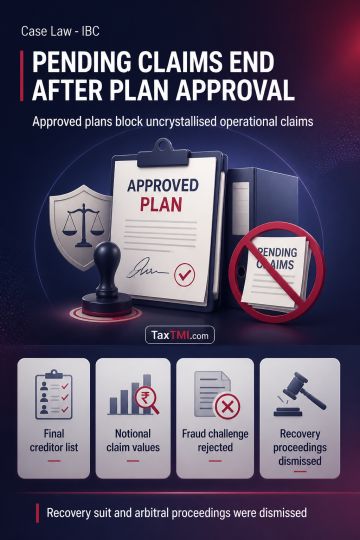
Clean slate principle extinguishes uncrystallised operational claims and bars continuation of pending recovery and arbitral proceedings after plan app...
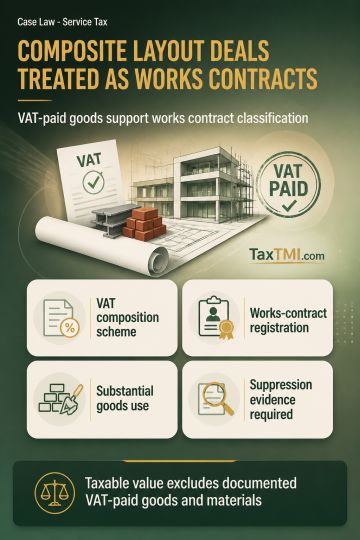
Works contract classification governs composite layout-development contracts where VAT-paid goods are transferred alongside construction and infrastru...
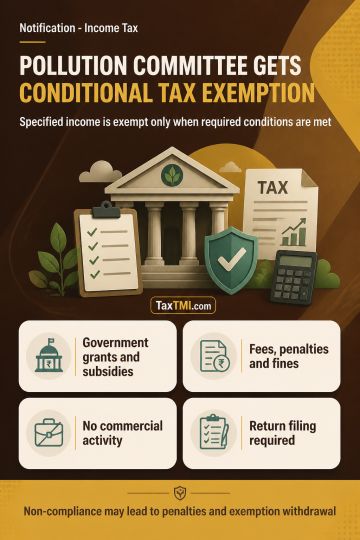
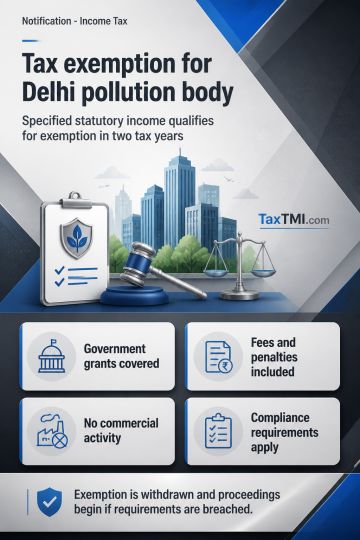
Specified income tax exemption for pollution control body remains conditional on non-commercial activity, unchanged income character, and return filin...
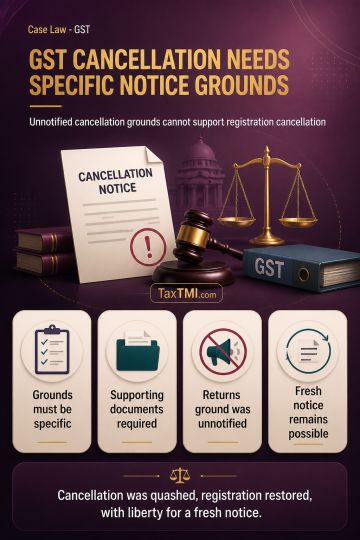
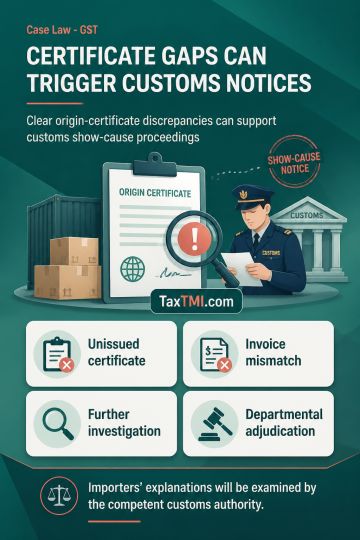
Jurisdictional facts in certificate-of-origin discrepancies can support customs show-cause proceedings, leaving factual explanations for departmental ...
The AT held that civil courts and the tribunal lack jurisdiction to determine cultivation rights, which fall exclusively within the revenue courts' purview. The appellants had transferred cultivation rights via sub-leases to third parties, thereby forfeiting any right to repossess those rights. Additionally, as the appellants were not recorded owners in revenue records, they possessed no authority to evict the sub-lessees for alleged breaches under the Tamil Nadu Cultivating Tenants (Payment of Fair Rent) Act, 1956. Consequently, the appellants lacked locus standi to challenge the sub-lessees' rights. The appeals were dismissed on these grounds.
The AT held that civil courts and the tribunal lack jurisdiction to determine cultivation rights, which fall exclusively within the revenue courts' purview. The appellants had transferred cultivation rights via sub-leases to third parties, thereby forfeiting any right to repossess those rights. Additionally, as the appellants were not recorded owners in revenue records, they possessed no authority to evict the sub-lessees for alleged breaches under the Tamil Nadu Cultivating Tenants (Payment of Fair Rent) Act, 1956. Consequently, the appellants lacked locus standi to challenge the sub-lessees' rights. The appeals were dismissed on these grounds.
Note: It is a system-generated summary and is for quick reference only.
 TaxTMI
 of 4796




 Join Channel


 TaxTMI