Objective characteristics and principal use govern mining-tyre classification, while fresh advance ruling applications may rely on additional technica...
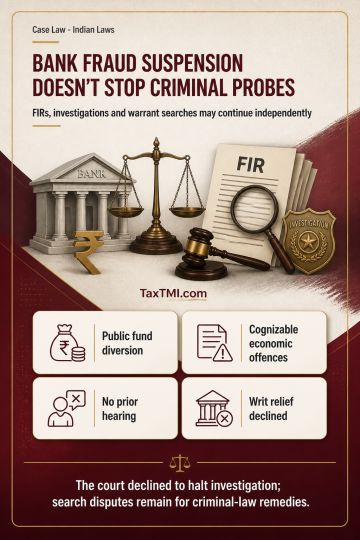
Administrative fraud classification suspension does not halt independent criminal investigation or warrant-based searches into alleged economic offenc...
The AT held that civil courts and the tribunal lack jurisdiction to determine cultivation rights, which fall exclusively within the revenue courts' purview. The appellants had transferred cultivation rights via sub-leases to third parties, thereby forfeiting any right to repossess those rights. Additionally, as the appellants were not recorded owners in revenue records, they possessed no authority to evict the sub-lessees for alleged breaches under the Tamil Nadu Cultivating Tenants (Payment of Fair Rent) Act, 1956. Consequently, the appellants lacked locus standi to challenge the sub-lessees' rights. The appeals were dismissed on these grounds.
The AT held that civil courts and the tribunal lack jurisdiction to determine cultivation rights, which fall exclusively within the revenue courts' purview. The appellants had transferred cultivation rights via sub-leases to third parties, thereby forfeiting any right to repossess those rights. Additionally, as the appellants were not recorded owners in revenue records, they possessed no authority to evict the sub-lessees for alleged breaches under the Tamil Nadu Cultivating Tenants (Payment of Fair Rent) Act, 1956. Consequently, the appellants lacked locus standi to challenge the sub-lessees' rights. The appeals were dismissed on these grounds.
Note: It is a system-generated summary and is for quick reference only.
 TaxTMI
 of 4792








 Join Channel


 TaxTMI