Tax exemption for regulatory authority income applies retrospectively, subject to non-commercial activity, unchanged income sources, and return filing...
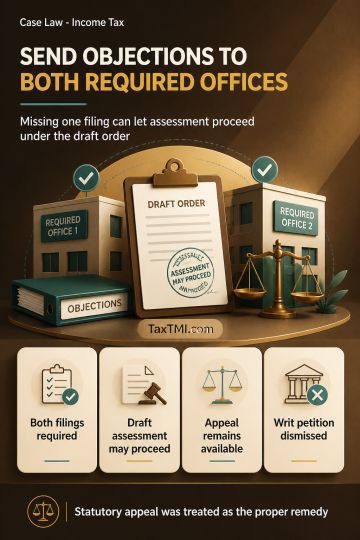
Dispute Resolution Panel objections must reach both prescribed forums; otherwise assessment may proceed and statutory appeal remains the proper remedy...
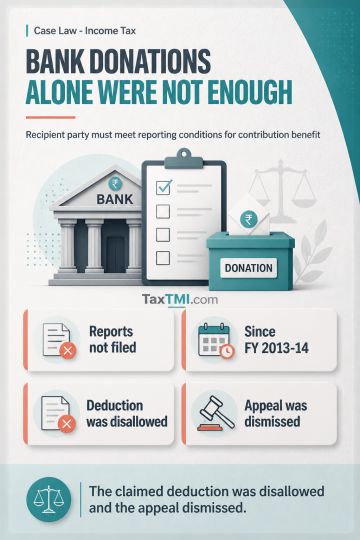
Political contribution deductions require recipient party compliance with contribution-reporting conditions; banking-channel donations alone do not qu...
Page of 4786
Press 'Enter' after typing page number.
341 to 360 of 95715 Results
❮
❯
❯❯
0 / 200
Expand Note
Add to Folder
No Folders have been created
+
Are you sure you want to delete "My most important" ?
The CESTAT allowed the appeal, holding that where an assessee clears goods both to sister units and independent third-party buyers, the assessable value for related party transfers must be the transaction value, not costing plus profit margin under Rule 8 of the Central Excise Valuation Rules, 2000. The tribunal found the appellant's clearances to unrelated parties substantiated, negating the applicability of cost-based valuation. Additionally, the confirmed demand arising from a debit note lacked corroborative evidence of receipt and was set aside. The demand was also barred by limitation, as the department failed to prove suppression despite timely statutory returns reflecting declared values. Consequently, all confirmed demands, including those based on time limitation grounds, were quashed, affirming the appellant's valuation methodology and negating the department's claims.
The CESTAT allowed the appeal, holding that where an assessee clears goods both to sister units and independent third-party buyers, the assessable value for related party transfers must be the transaction value, not costing plus profit margin under Rule 8 of the Central Excise Valuation Rules, 2000. The tribunal found the appellant's clearances to unrelated parties substantiated, negating the applicability of cost-based valuation. Additionally, the confirmed demand arising from a debit note lacked corroborative evidence of receipt and was set aside. The demand was also barred by limitation, as the department failed to prove suppression despite timely statutory returns reflecting declared values. Consequently, all confirmed demands, including those based on time limitation grounds, were quashed, affirming the appellant's valuation methodology and negating the department's claims.
Note: It is a system-generated summary and is for quick reference only.
 TaxTMI
 of 4786







 Join Channel


 TaxTMI