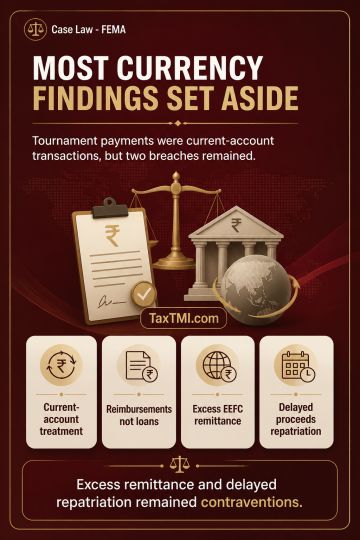
Current account treatment of overseas tournament services removed most FEMA findings, but excess EEFC remittance and delayed repatriation remained bre...
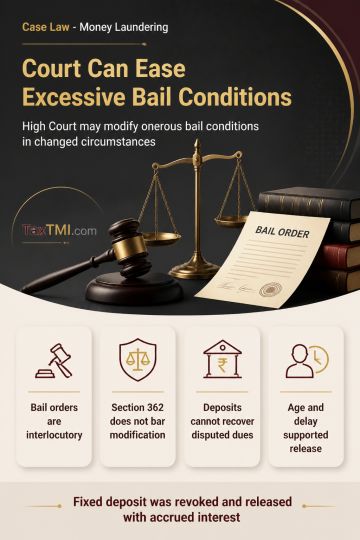
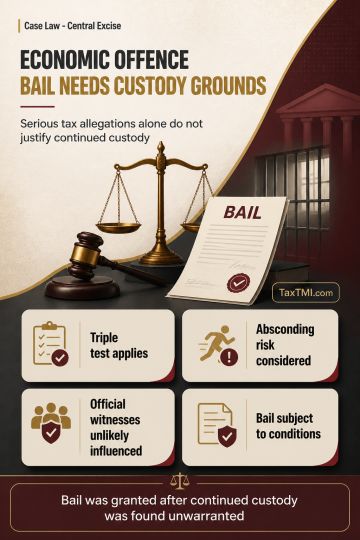
Modification of bail conditions remains available through inherent jurisdiction where onerous deposits undermine justice and cannot recover disputed d...
Merchant banker regulation consolidates registration, governance, capital, reporting, outsourcing and investor-protection requirements under an update...
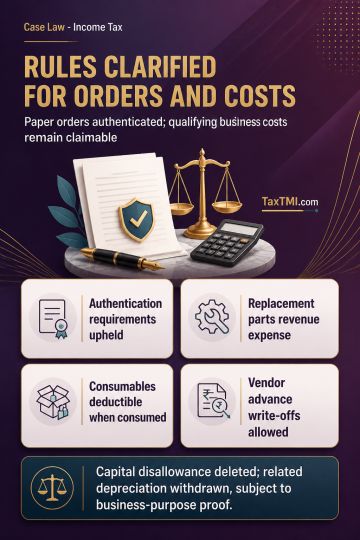
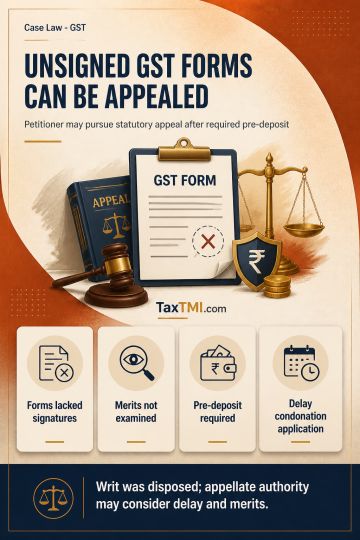
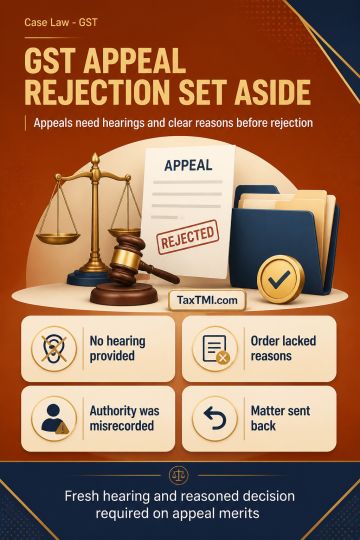
Authentication of paper assessment orders upheld, while qualifying repairs, consumables and vendor advance write-offs remain deductible business claim...
Page of 4803
Press 'Enter' after typing page number.
701 to 720 of 96046 Results
❮
❯
❯❯
0 / 200
Expand Note
Add to Folder
No Folders have been created
+
Are you sure you want to delete "My most important" ?
The HC held that notifications issued under Section 168A CGST Act, purportedly extending limitation periods, must be strictly construed as exceptions to Section 73. The impugned notifications lacked a valid recommendation from the GST Council based on relevant material, rendering them unsustainable. While the GST Council's recommendation is mandatory, it is not binding on the government; however, post-issuance ratification by the Council does not cure the defect of absence of prior recommendation. The Court distinguished between extension of limitation (Section 168A) and computation of limitation (Supreme Court's orders under Article 142), holding that the notifications erroneously diminished limitation periods contrary to the Supreme Court's orders, thus violating legislative intent. Consequently, the notifications were quashed, and all matters were remanded to assessing authorities for fresh adjudication consistent with these findings.
The HC held that notifications issued under Section 168A CGST Act, purportedly extending limitation periods, must be strictly construed as exceptions to Section 73. The impugned notifications lacked a valid recommendation from the GST Council based on relevant material, rendering them unsustainable. While the GST Council's recommendation is mandatory, it is not binding on the government; however, post-issuance ratification by the Council does not cure the defect of absence of prior recommendation. The Court distinguished between extension of limitation (Section 168A) and computation of limitation (Supreme Court's orders under Article 142), holding that the notifications erroneously diminished limitation periods contrary to the Supreme Court's orders, thus violating legislative intent. Consequently, the notifications were quashed, and all matters were remanded to assessing authorities for fresh adjudication consistent with these findings.
Note: It is a system-generated summary and is for quick reference only.
 TaxTMI
 of 4803










 Join Channel


 TaxTMI