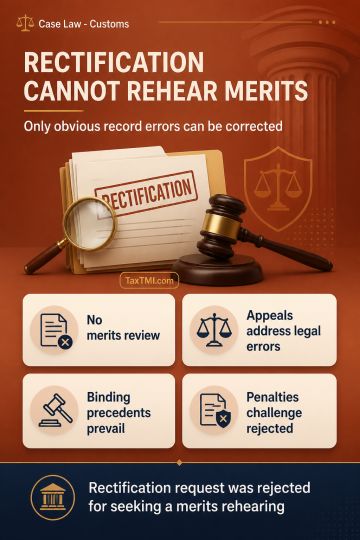
Rectification of mistake remains limited to self-evident record errors, preventing merits review through miscellaneous applications and preserving fin...
Tender creditworthiness conditions may extend to de facto Promoter Directors, with post-participation challenges generally barred absent arbitrariness...
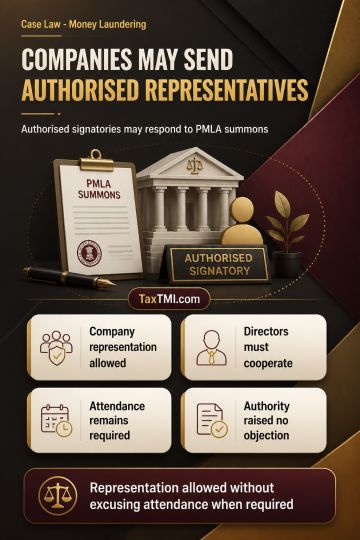
Corporate representation in PMLA summons proceedings permitted through an authorised signatory, subject to directors' continuing cooperation and atten...
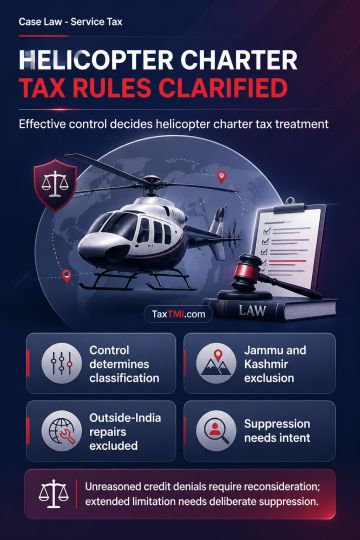
Helicopter charter classification requires effective control analysis, while territorial performance, reasoned credit orders and wilful suppression de...
Specified fund definition expands PAN exemption eligibility for registered alternative investment funds and qualifying International Financial Service...
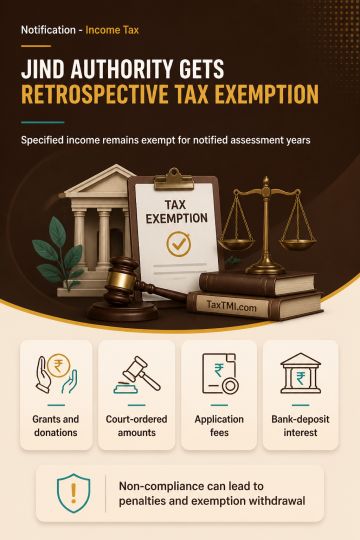
Tax exemption for specified legal-services authority income applies retrospectively, subject to non-commercial activity, unchanged income sources, and...
The ITAT held that the penalty under section 271(1)(c) was unsustainable as the Assessing Officer failed to record satisfaction specifically whether the assessee concealed particulars of income or furnished inaccurate particulars, a mandatory precondition for initiating penalty proceedings. The AO issued the notice under section 274 read with section 271(1)(c) in a standard proforma without deleting irrelevant portions, indicating non-application of mind. Consequently, the penalty notice was invalid for lack of clarity and specificity, denying the assessee adequate opportunity to respond. The tribunal quashed the penalty order, allowing the appeal, reaffirming that proper satisfaction and clear specification of charge are essential prerequisites before imposing penalty under section 271(1)(c).
The ITAT held that the penalty under section 271(1)(c) was unsustainable as the Assessing Officer failed to record satisfaction specifically whether the assessee concealed particulars of income or furnished inaccurate particulars, a mandatory precondition for initiating penalty proceedings. The AO issued the notice under section 274 read with section 271(1)(c) in a standard proforma without deleting irrelevant portions, indicating non-application of mind. Consequently, the penalty notice was invalid for lack of clarity and specificity, denying the assessee adequate opportunity to respond. The tribunal quashed the penalty order, allowing the appeal, reaffirming that proper satisfaction and clear specification of charge are essential prerequisites before imposing penalty under section 271(1)(c).
Note: It is a system-generated summary and is for quick reference only.
 TaxTMI
 of 4803














 Join Channel


 TaxTMI