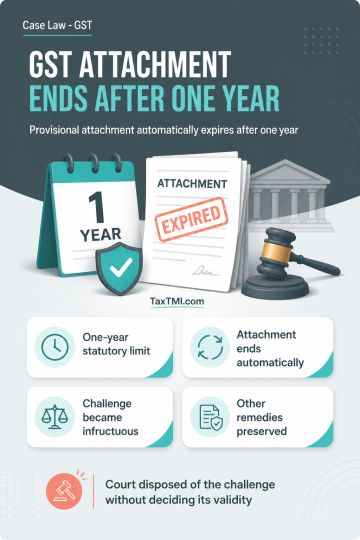
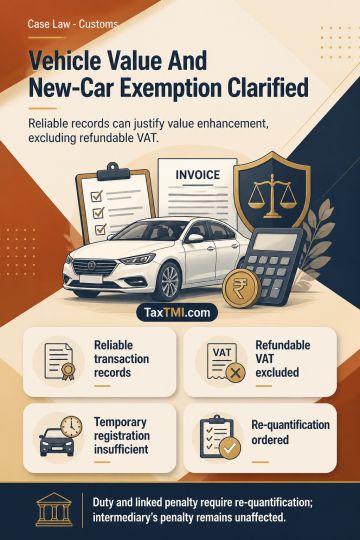
Transaction value rejection requires reliable corroboration; refundable VAT is excluded and temporary registration does not defeat new-vehicle exempti...
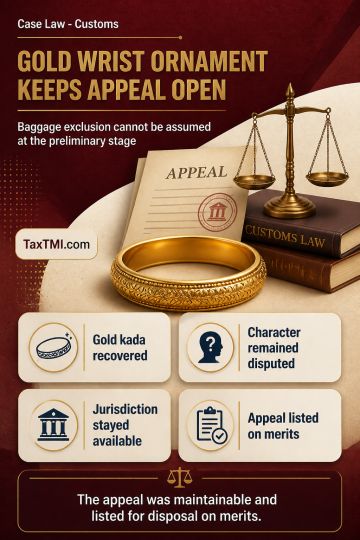
Appellate jurisdiction remains available where a wrist-worn gold ornament cannot conclusively be characterised as imported baggage at the preliminary ...
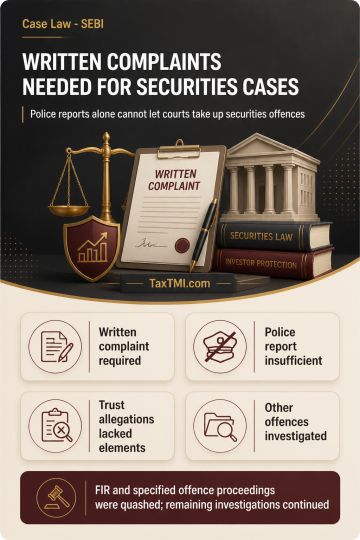
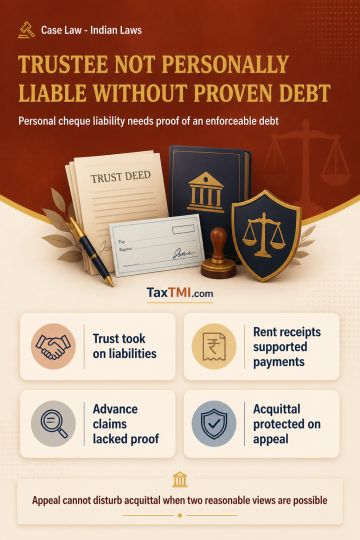
Written complaint requirement bars cognizance on police reports for securities offences, while unsupported breach of trust and cheating allegations fa...
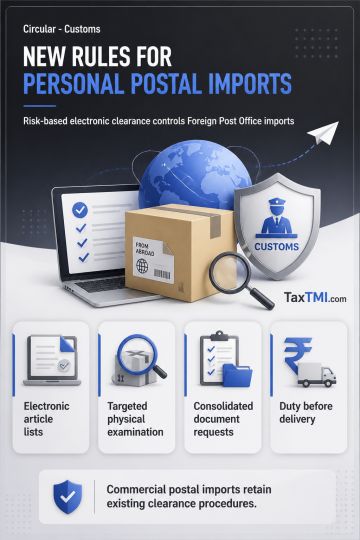
Risk-based postal import clearance standardises electronic assessment, document requests, duty realisation and delivery controls at Foreign Post Offic...
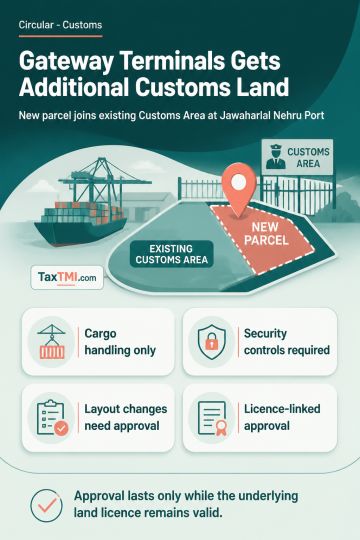
Customs Cargo Service Provider appointment extends custodianship to additional terminal land, subject to cargo-control, security and licence condition...
The ITAT upheld the CIT(A)'s deletion of additions made under sections 69A and 153C/143(3) against the assessee, which were based on notings found in loose sheets seized from a third party's premises. The tribunal held that the presumption under section 132(4A) applies only to documents belonging to the searched person, not to third-party records. The AO failed to provide cogent evidence linking the seized notings, which merely contained the assessee's name and amounts without reference to loans or interest, to the assessee. The AO also did not examine the third party or conduct independent inquiries, relying instead on assumptions and uncorroborated loose papers. Consequently, the entries were deemed inadmissible as conclusive proof against the assessee. The tribunal affirmed that surmise and conjecture cannot substitute independent corroborative evidence, resulting in the allowance of the assessee's appeal and deletion of the additions.
The ITAT upheld the CIT(A)'s deletion of additions made under sections 69A and 153C/143(3) against the assessee, which were based on notings found in loose sheets seized from a third party's premises. The tribunal held that the presumption under section 132(4A) applies only to documents belonging to the searched person, not to third-party records. The AO failed to provide cogent evidence linking the seized notings, which merely contained the assessee's name and amounts without reference to loans or interest, to the assessee. The AO also did not examine the third party or conduct independent inquiries, relying instead on assumptions and uncorroborated loose papers. Consequently, the entries were deemed inadmissible as conclusive proof against the assessee. The tribunal affirmed that surmise and conjecture cannot substitute independent corroborative evidence, resulting in the allowance of the assessee's appeal and deletion of the additions.
Note: It is a system-generated summary and is for quick reference only.
 TaxTMI
 of 4788




 Join Channel


 TaxTMI