Origin Declaration authentication governs preferential tariff claims under India-UK CETA, requiring a validated reference number before import clearan...
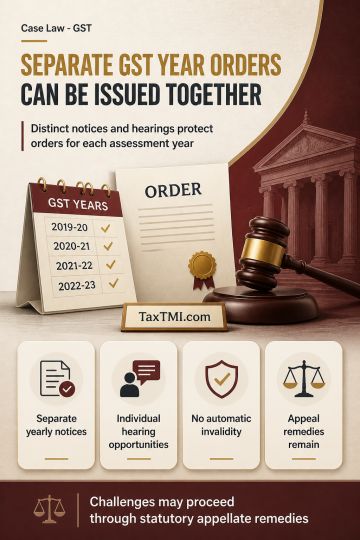
Separate assessment orders for different years remain valid when distinct notices and hearing opportunities prevent prejudice from combined proceeding...
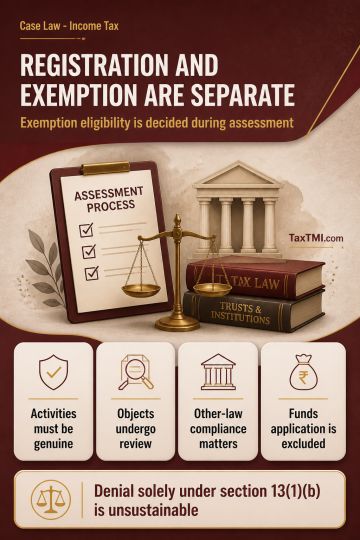
Defined public benefit can retain charitable character; registration renewal requires examining genuine activities and legal compliance, not surplus a...
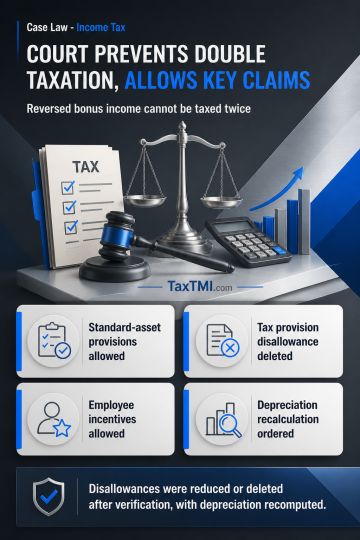
Capital reduction is distinct from share buy-back, preventing buy-back tax; restructuring interest and related business deductions also survive scruti...
The ITAT allowed the assessee's appeal, holding that section 71(2) of the Income Tax Act permits the set-off of business losses against income from other sources, including capital gains, without prescribing a sequence for such set-off. Since no business income existed for the year, section 70, which mandates intra-source loss set-off, was inapplicable. The tribunal clarified that the assessee's method of setting off losses against income under different heads constituted legitimate tax planning within the statutory framework. Consequently, the deduction under Chapter VI-A disallowed by the Assessing Officer was directed to be granted as claimed by the assessee.
The ITAT allowed the assessee's appeal, holding that section 71(2) of the Income Tax Act permits the set-off of business losses against income from other sources, including capital gains, without prescribing a sequence for such set-off. Since no business income existed for the year, section 70, which mandates intra-source loss set-off, was inapplicable. The tribunal clarified that the assessee's method of setting off losses against income under different heads constituted legitimate tax planning within the statutory framework. Consequently, the deduction under Chapter VI-A disallowed by the Assessing Officer was directed to be granted as claimed by the assessee.
Note: It is a system-generated summary and is for quick reference only.
 TaxTMI
 of 4803











 Join Channel


 TaxTMI
