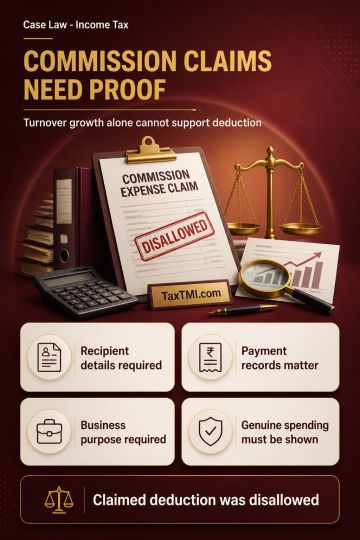
Business expenditure deduction requires proof of genuine commission payments and commercial allowability; turnover growth alone cannot validate the cl...
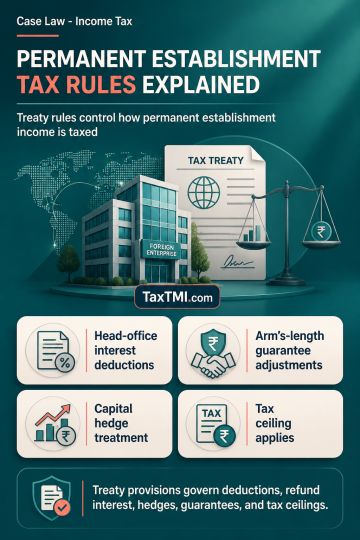
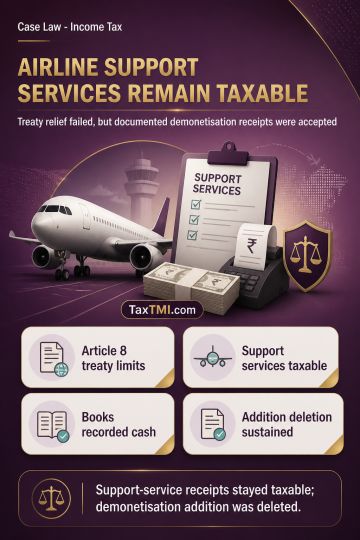
Article 8 treaty coverage excluded third-party airline support services, while documented demonetisation cash receipts remained accepted business inco...
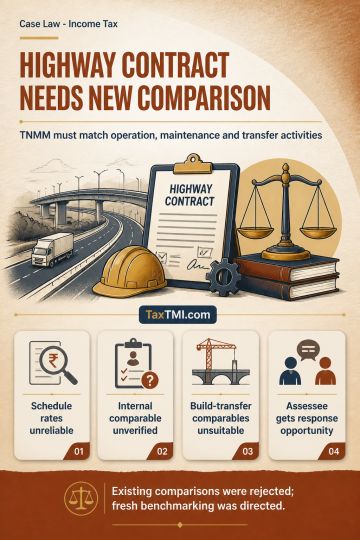
Functional comparability under TNMM requires highway contract benchmarks to reflect operation, maintenance and transfer activities, requiring fresh be...
The Supreme Court upheld the dismissal of the refund claim as time barred, affirming that the limitation period commenced from the "date of service" of the finalization of provisional assessment under section 27(1B)(c) of the Customs Act, 1962. The Court concurred with the High Court's finding that the tribunal appropriately considered the documentation notifying the assessee of the finalization. Exercising jurisdiction under Article 136 of the Constitution, the SC found no grounds to interfere with the impugned order. Consequently, the special leave petition was dismissed, finalizing the rejection of the refund claim on limitation grounds.
The Supreme Court upheld the dismissal of the refund claim as time barred, affirming that the limitation period commenced from the "date of service" of the finalization of provisional assessment under section 27(1B)(c) of the Customs Act, 1962. The Court concurred with the High Court's finding that the tribunal appropriately considered the documentation notifying the assessee of the finalization. Exercising jurisdiction under Article 136 of the Constitution, the SC found no grounds to interfere with the impugned order. Consequently, the special leave petition was dismissed, finalizing the rejection of the refund claim on limitation grounds.
Note: It is a system-generated summary and is for quick reference only.
 TaxTMI
 of 4792



 Join Channel


 TaxTMI