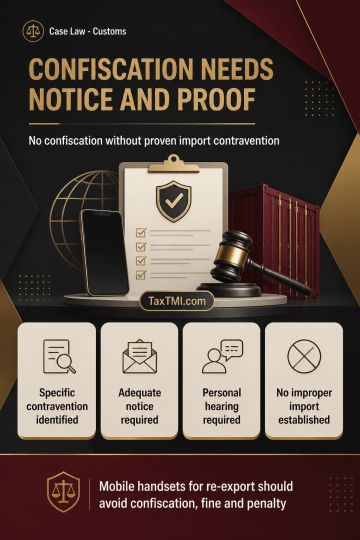
Arrest safeguards require disclosed grounds, relative intimation and transit remand, while duplicate prosecution under the CGST framework is unsustain...
Document Identification Number defects can invalidate GST assessments, with delayed challenges entertained conditionally where patent irregularities e...
Windmill commissioning evidence supported higher depreciation where grid connection and electricity generation proved operational use before the relev...
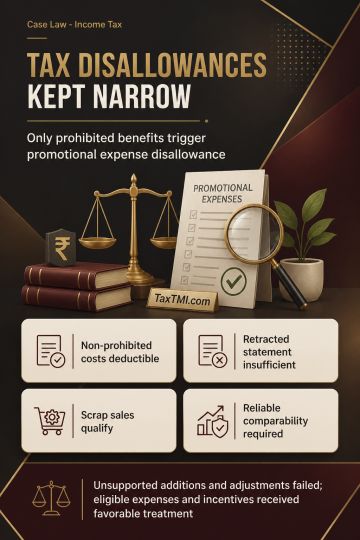
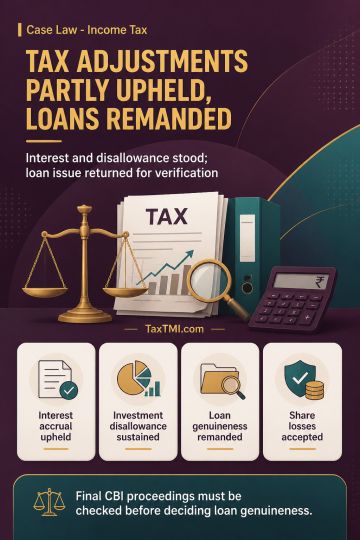
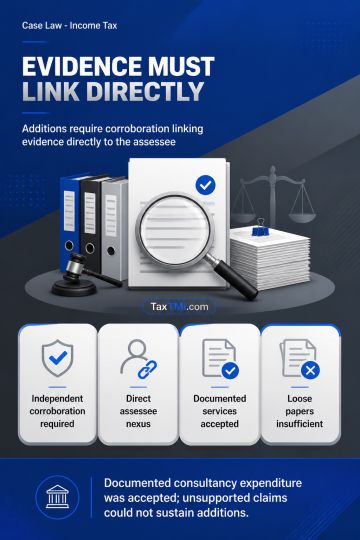
Pharmaceutical promotion and transfer-pricing comparability principles limited disallowances, while uncorroborated search allegations and unsupported ...
Business expenditure substantiation supports scrap credits, statutory payments and expense claims, while depreciation requires proof of actual busines...
The HC approved a consent arrangement resolving the dispute concerning alleged fraudulent trading in RTS securities. The petitioner committed to furnishing a fresh pay order of Rs. 25,00,000 by a specified date towards settlement charges and confirmed non-engagement in securities trading since issuance of show cause notices, fulfilling a three-year debarment condition. Consequently, the petitioner was permitted immediate access to capital markets. The respondent agreed to formalize a consent order within two weeks of receiving the pay order, leading to settlement of proceedings initiated under the show cause notices. Prior SEBI orders restraining the petitioner were rendered unenforceable. The consent order explicitly stated it neither exonerated nor implicated the petitioner regarding violations under the SEBI Act or Regulations. Pending litigation involving the petitioner and third parties was preserved for adjudication on merits by the appropriate forum.
The HC approved a consent arrangement resolving the dispute concerning alleged fraudulent trading in RTS securities. The petitioner committed to furnishing a fresh pay order of Rs. 25,00,000 by a specified date towards settlement charges and confirmed non-engagement in securities trading since issuance of show cause notices, fulfilling a three-year debarment condition. Consequently, the petitioner was permitted immediate access to capital markets. The respondent agreed to formalize a consent order within two weeks of receiving the pay order, leading to settlement of proceedings initiated under the show cause notices. Prior SEBI orders restraining the petitioner were rendered unenforceable. The consent order explicitly stated it neither exonerated nor implicated the petitioner regarding violations under the SEBI Act or Regulations. Pending litigation involving the petitioner and third parties was preserved for adjudication on merits by the appropriate forum.
Note: It is a system-generated summary and is for quick reference only.
 TaxTMI
 of 4794
















 Join Channel


 TaxTMI