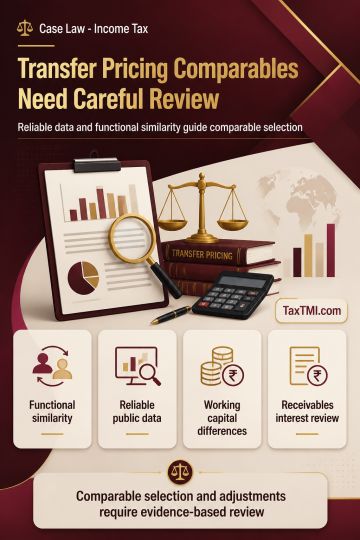
Transfer pricing comparability requires functional alignment, reliable financial data, and careful review of working capital and receivables adjustmen...
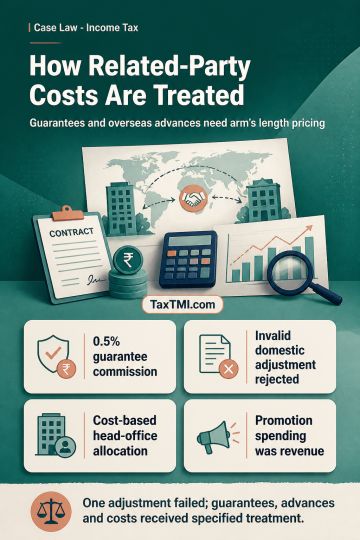
Transfer pricing rules require benchmarking corporate guarantees and associated-enterprise advances, while invalid domestic-transaction adjustments ca...
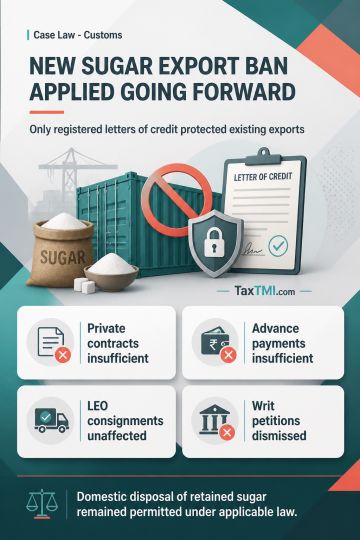
Prospective sugar export prohibition required registered letters of credit; private contracts and export quotas created no enforceable continuation ri...
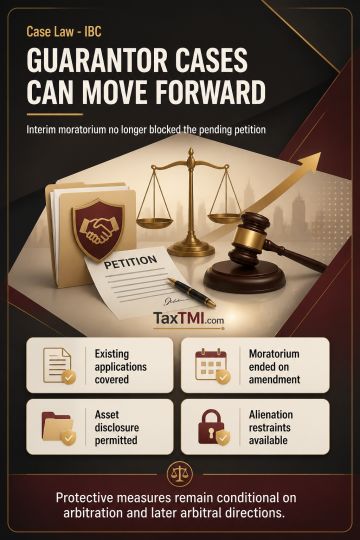
Retroactive interim-moratorium exclusion permits protective asset disclosure and preservation measures against personal guarantors pending arbitration...
The CESTAT held that the appellant's services do not qualify as those rendered by an authorised service station under Section 65(105)(zo) read with Section 69(9) of the Finance Act, 1994; hence, the demand of service tax on that ground is unsustainable. The Tribunal further found the demand under the Reverse Charge Mechanism (RCM) for the period April 2005 to March 2008 to be time-barred, as the show-cause notice was issued beyond the prescribed limitation period. Additionally, since the appellant had discharged the service tax liability under RCM and was entitled to claim CENVAT credit, the penalty and extended period invocation were unjustified. In light of the revenue-neutral position and precedent, the Tribunal set aside the impugned order, quashing the confirmed demand and penalty, thereby allowing the appeal.
The CESTAT held that the appellant's services do not qualify as those rendered by an authorised service station under Section 65(105)(zo) read with Section 69(9) of the Finance Act, 1994; hence, the demand of service tax on that ground is unsustainable. The Tribunal further found the demand under the Reverse Charge Mechanism (RCM) for the period April 2005 to March 2008 to be time-barred, as the show-cause notice was issued beyond the prescribed limitation period. Additionally, since the appellant had discharged the service tax liability under RCM and was entitled to claim CENVAT credit, the penalty and extended period invocation were unjustified. In light of the revenue-neutral position and precedent, the Tribunal set aside the impugned order, quashing the confirmed demand and penalty, thereby allowing the appeal.
Note: It is a system-generated summary and is for quick reference only.
 TaxTMI
 of 4786







 Join Channel


 TaxTMI
