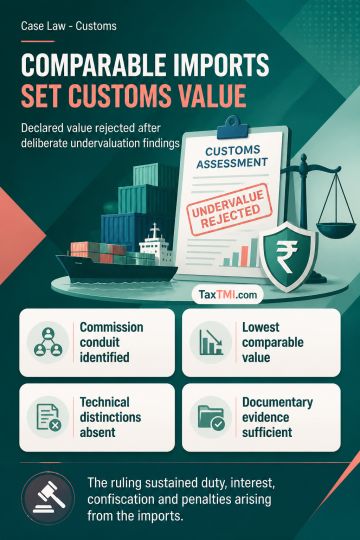
Transaction value rejection requires reliable corroboration; refundable VAT is excluded and temporary registration does not defeat new-vehicle exempti...
Appellate jurisdiction remains available where a wrist-worn gold ornament cannot conclusively be characterised as imported baggage at the preliminary ...
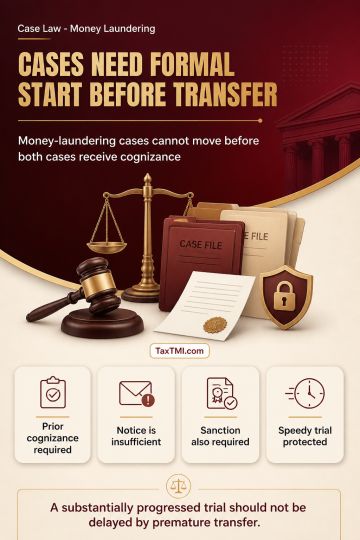
Written complaint requirement bars cognizance on police reports for securities offences, while unsupported breach of trust and cheating allegations fa...
Risk-based postal import clearance standardises electronic assessment, document requests, duty realisation and delivery controls at Foreign Post Offic...
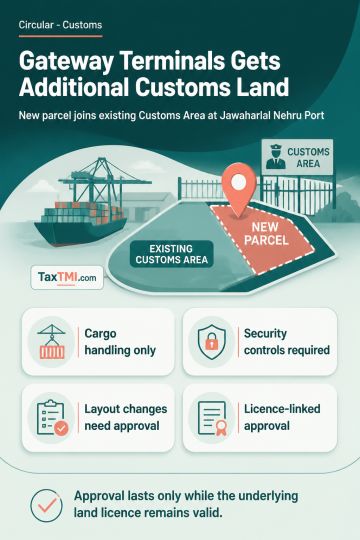
Customs Cargo Service Provider appointment extends custodianship to additional terminal land, subject to cargo-control, security and licence condition...
The HC set aside the impugned order canceling the petitioner's registration, holding that service of the show cause notice solely via the GST portal was insufficient without exploring alternative modes of service under Section 169 of the GST Act, thereby denying the petitioner effective opportunity of personal hearing. The Court emphasized that repeated non-response to portal notices necessitates serving notices through other prescribed methods, such as RPAD, to fulfill the Act's objectives. The matter was remanded to the respondent for fresh consideration on the condition that the petitioner remit 10% of the disputed tax amount within four weeks of receiving the order. The setting aside of the impugned order will take effect from the date of such payment. The petition was allowed by way of remand, ensuring procedural fairness and compliance with statutory service requirements.
The HC set aside the impugned order canceling the petitioner's registration, holding that service of the show cause notice solely via the GST portal was insufficient without exploring alternative modes of service under Section 169 of the GST Act, thereby denying the petitioner effective opportunity of personal hearing. The Court emphasized that repeated non-response to portal notices necessitates serving notices through other prescribed methods, such as RPAD, to fulfill the Act's objectives. The matter was remanded to the respondent for fresh consideration on the condition that the petitioner remit 10% of the disputed tax amount within four weeks of receiving the order. The setting aside of the impugned order will take effect from the date of such payment. The petition was allowed by way of remand, ensuring procedural fairness and compliance with statutory service requirements.
Note: It is a system-generated summary and is for quick reference only.
 TaxTMI
 of 4788













 Join Channel


 TaxTMI