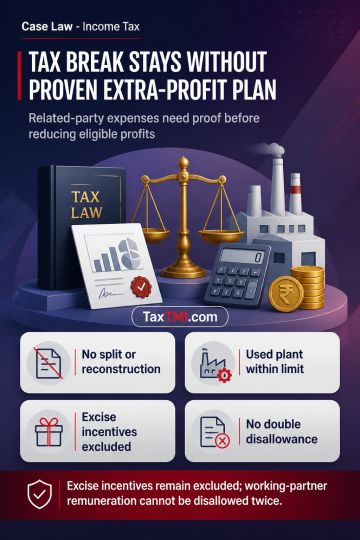
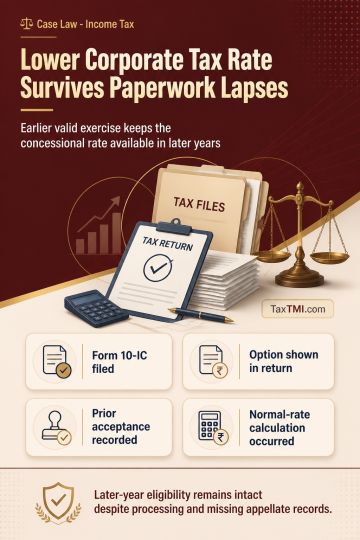
Concessional corporate tax option under section 115BAA survives procedural documentary lapses when statutory compliance and earlier exercise are estab...
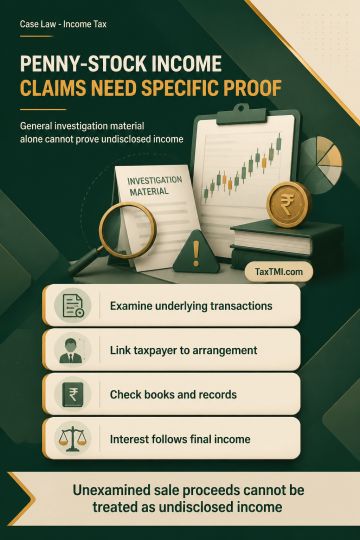
Penny-stock additions require transaction-specific evidence; general investigation material alone cannot establish undisclosed income or accommodation...
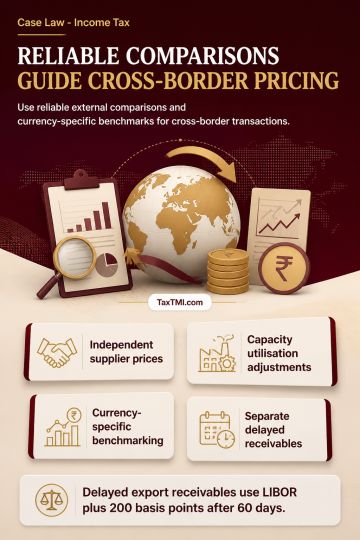
Transfer pricing comparability prioritises reliable external CUPs and foreign-currency LIBOR benchmarks for exports, borrowings and delayed receivable...
Section 153C satisfaction and seized electronic records sustained unexplained-investment addition, subject to proportionate ownership-share verificati...
The CESTAT overturned the imposition of penalties under section 117 of the Customs Act, 1962, arising from alleged violations including improper storage, lack of solvency certificates, inadequate surveillance, and deficient signage and digital signatures. The tribunal found that the licensing authority improperly relied on routine invocation of extended limitation periods without considering the broader statutory evolution of custodianship and the liberalized assessment regime. Minor infractions, especially those rectified, do not warrant penal action when they do not significantly impact revenue protection. Consequently, the tribunal held that the penalty imposition lacked substantive cause, and the invocation of section 111(j) was unfounded. The impugned order was set aside, and the appeal was allowed.
The CESTAT overturned the imposition of penalties under section 117 of the Customs Act, 1962, arising from alleged violations including improper storage, lack of solvency certificates, inadequate surveillance, and deficient signage and digital signatures. The tribunal found that the licensing authority improperly relied on routine invocation of extended limitation periods without considering the broader statutory evolution of custodianship and the liberalized assessment regime. Minor infractions, especially those rectified, do not warrant penal action when they do not significantly impact revenue protection. Consequently, the tribunal held that the penalty imposition lacked substantive cause, and the invocation of section 111(j) was unfounded. The impugned order was set aside, and the appeal was allowed.
Note: It is a system-generated summary and is for quick reference only.
 TaxTMI
  TaxTMI
 of 4830







 Join Channel


