Alternative statutory remedy and unexplained delay barred writ review of customs confiscation adjudication, leaving merits for appellate consideration...
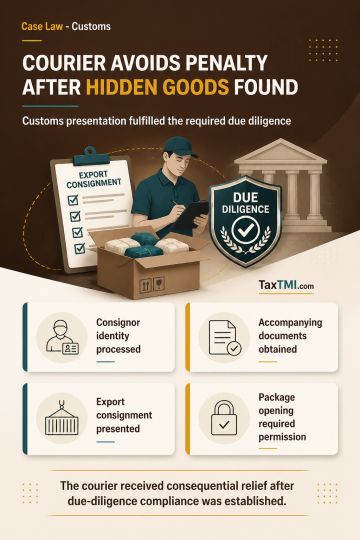
Authorised courier due diligence protects against penalties where declared exports conceal prohibited goods despite proper documentation and customs p...
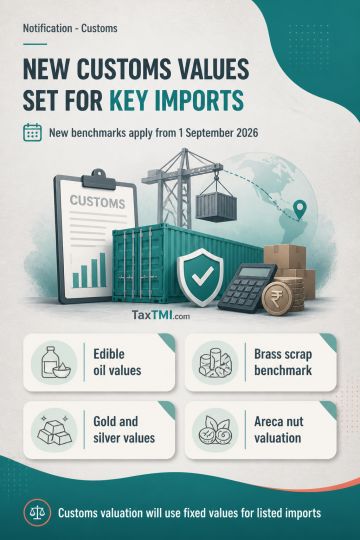
Customs-controlled container movement now extends to DP World facilities, subject to segregation, inspections, reconciliation, and EXIM cargo priority...
The NCLAT allowed the appeal, setting aside the impugned order that dismissed the Section 7 application for initiation of CIRP. The Tribunal held that the date of default under the corporate guarantee was not confined to the initial invocation within the Section 10A prohibited period, as the guarantee was a continuing, irrevocable, on-demand guarantee under Section 129 of the Indian Contract Act, 1872. Multiple successive invocations were permissible, and the second invocation, made after the Section 10A period, was based on an updated computation of dues, including additional liabilities. Since the default persisted beyond the exclusion period and the debt remained unpaid, the Section 7 application filed thereafter was maintainable.
The NCLAT allowed the appeal, setting aside the impugned order that dismissed the Section 7 application for initiation of CIRP. The Tribunal held that the date of default under the corporate guarantee was not confined to the initial invocation within the Section 10A prohibited period, as the guarantee was a continuing, irrevocable, on-demand guarantee under Section 129 of the Indian Contract Act, 1872. Multiple successive invocations were permissible, and the second invocation, made after the Section 10A period, was based on an updated computation of dues, including additional liabilities. Since the default persisted beyond the exclusion period and the debt remained unpaid, the Section 7 application filed thereafter was maintainable.
Note: It is a system-generated summary and is for quick reference only.
 TaxTMI
  TaxTMI
 of 4828












 Join Channel


