Alternative statutory remedy and unexplained delay barred writ review of customs confiscation adjudication, leaving merits for appellate consideration...
Authorised courier due diligence protects against penalties where declared exports conceal prohibited goods despite proper documentation and customs p...
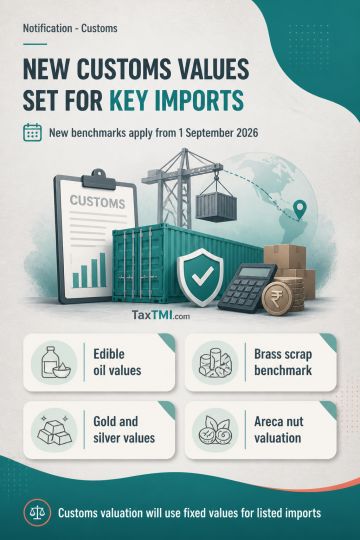
Customs-controlled container movement now extends to DP World facilities, subject to segregation, inspections, reconciliation, and EXIM cargo priority...
The ITAT held that the revision under section 263 was not justified as the AO's assessment order was neither erroneous nor prejudicial to the Revenue. The AO had conducted thorough inquiries, disallowed depreciation on goodwill, and allowed a lawful set-off of Rs. 16.38 crore of unabsorbed depreciation losses. The PCIT's claim of mechanical allowance was factually and legally unsustainable, especially given the AO's initiation of rectification proceedings under section 154 addressing the same issue. The Tribunal emphasized that a mere difference of opinion or presumption of excess set-off does not satisfy the dual conditions required to invoke section 263. Consequently, the appeal was allowed, quashing the revision order.
The ITAT held that the revision under section 263 was not justified as the AO's assessment order was neither erroneous nor prejudicial to the Revenue. The AO had conducted thorough inquiries, disallowed depreciation on goodwill, and allowed a lawful set-off of Rs. 16.38 crore of unabsorbed depreciation losses. The PCIT's claim of mechanical allowance was factually and legally unsustainable, especially given the AO's initiation of rectification proceedings under section 154 addressing the same issue. The Tribunal emphasized that a mere difference of opinion or presumption of excess set-off does not satisfy the dual conditions required to invoke section 263. Consequently, the appeal was allowed, quashing the revision order.
Note: It is a system-generated summary and is for quick reference only.
 TaxTMI
  TaxTMI
 of 4828



















 Join Channel


