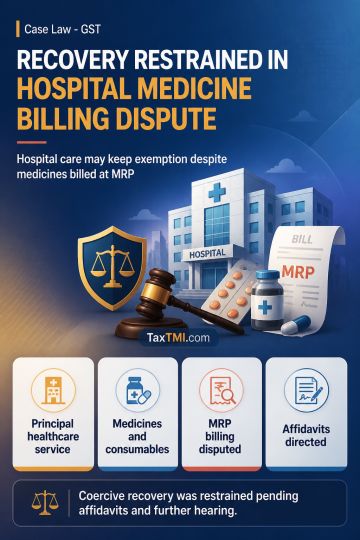
Composite inpatient healthcare supply may retain exemption despite MRP medicine billing, while separate taxable sale characterisation remains disputed...
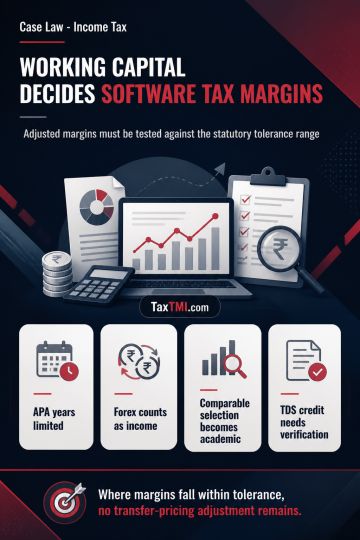
Working-capital adjustment determines whether software-services transfer-pricing margins fall within the statutory tolerance range, eliminating any ad...
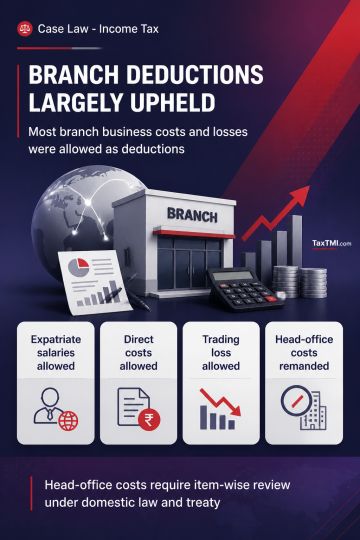
Permanent establishment deductions upheld for expatriate salaries, direct costs and trading losses, while head-office costs require fresh classificati...
The AAR held that job work involving cutting of metallic film rolls used for zari/metallic yarn does not qualify as textile or textile products under chapters 50 to 63 of the CTA '75, as the applicant failed to prove the classification. Consequently, the benefit of concessional GST at 5% under serial No. 26(i)(b) was denied. The job work falls under serial No. 26(id), attracting GST at 12%. The applicant's invoicing at 12% GST aligns with this classification, and the higher rate under general job work category at 18% is inapplicable since the clients are registered persons under GST. Thus, the correct GST rate for the service is 12%.
The AAR held that job work involving cutting of metallic film rolls used for zari/metallic yarn does not qualify as textile or textile products under chapters 50 to 63 of the CTA '75, as the applicant failed to prove the classification. Consequently, the benefit of concessional GST at 5% under serial No. 26(i)(b) was denied. The job work falls under serial No. 26(id), attracting GST at 12%. The applicant's invoicing at 12% GST aligns with this classification, and the higher rate under general job work category at 18% is inapplicable since the clients are registered persons under GST. Thus, the correct GST rate for the service is 12%.
Note: It is a system-generated summary and is for quick reference only.
 TaxTMI
 of 4805





 Join Channel


 TaxTMI
