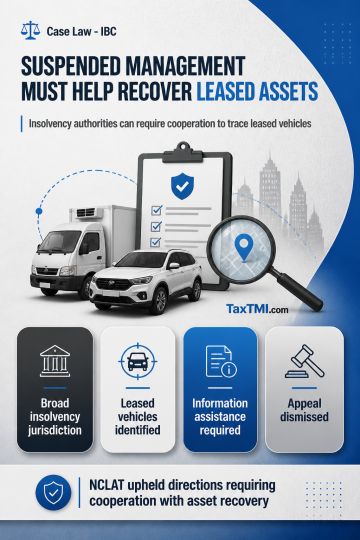
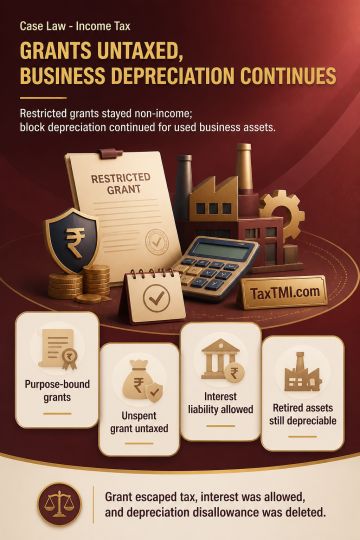
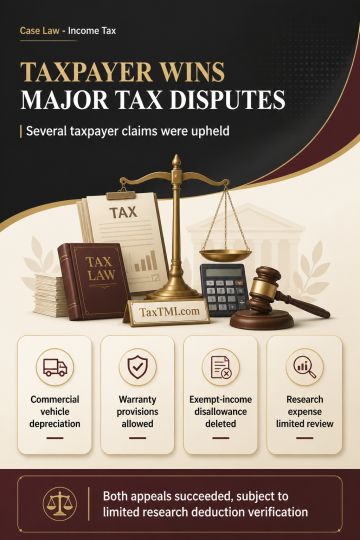
Commercial vehicle depreciation, scientifically determined warranty provisions and exempt-income disallowances were resolved in favour of the taxpayer...
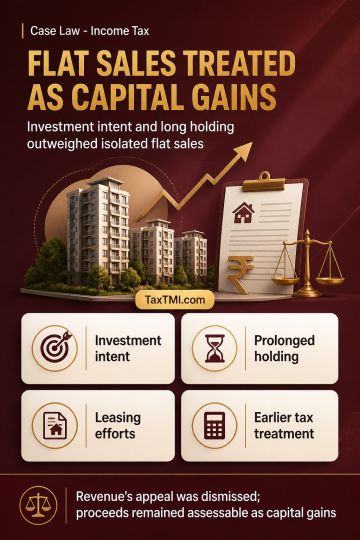
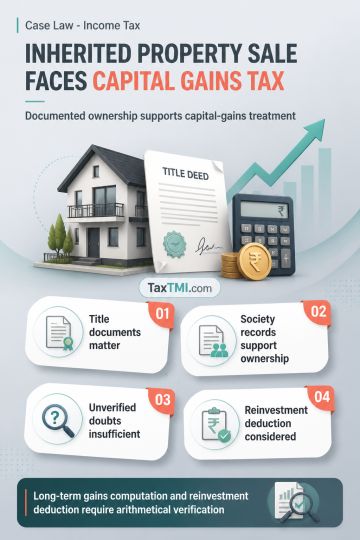
Inherited property sale proceeds require capital-gains treatment where ownership is supported by evidence, not suspicion or unverified signature doubt...
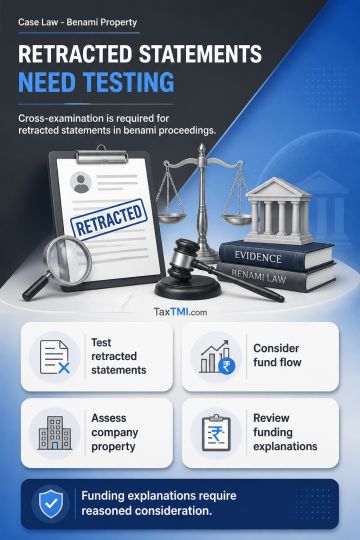
Cross-examination of retracted statements is essential where foundational evidence supports a benami allegation and documented funding explanations re...
Capital-goods exemption covers plant-modernisation accessories, while the import restriction applies only to earlier capital-goods components and spar...
The AAR held that job work involving cutting of metallic film rolls used for zari/metallic yarn does not qualify as textile or textile products under chapters 50 to 63 of the CTA '75, as the applicant failed to prove the classification. Consequently, the benefit of concessional GST at 5% under serial No. 26(i)(b) was denied. The job work falls under serial No. 26(id), attracting GST at 12%. The applicant's invoicing at 12% GST aligns with this classification, and the higher rate under general job work category at 18% is inapplicable since the clients are registered persons under GST. Thus, the correct GST rate for the service is 12%.
The AAR held that job work involving cutting of metallic film rolls used for zari/metallic yarn does not qualify as textile or textile products under chapters 50 to 63 of the CTA '75, as the applicant failed to prove the classification. Consequently, the benefit of concessional GST at 5% under serial No. 26(i)(b) was denied. The job work falls under serial No. 26(id), attracting GST at 12%. The applicant's invoicing at 12% GST aligns with this classification, and the higher rate under general job work category at 18% is inapplicable since the clients are registered persons under GST. Thus, the correct GST rate for the service is 12%.
Note: It is a system-generated summary and is for quick reference only.
 TaxTMI
 of 4801










 Join Channel


 TaxTMI