Mutual fund maturity rules require proper rollover, redemption, disclosure, and due diligence; investor gains cannot excuse regulatory breaches or pen...
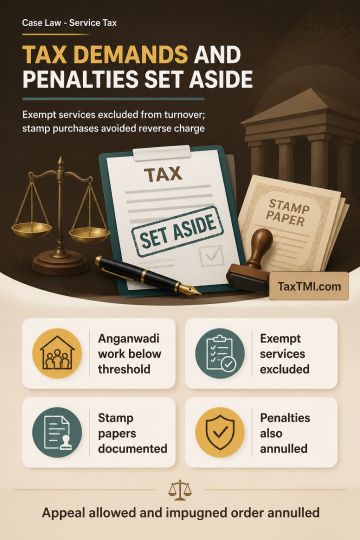
Threshold exemption excludes exempt services, while stamp-paper purchases avoid reverse charge; consequential service tax penalties were also set asid...
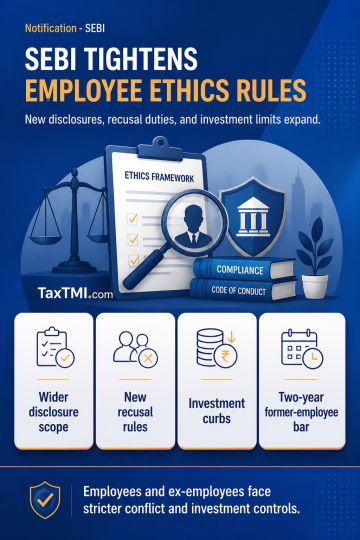
Employee conflict disclosures and investment restrictions expand with new recusal duties, post-employment limits, and compliance reporting requirement...
The ITAT upheld the assessee's method of revenue recognition under AS-9, wherein income is recognized upon execution of sale deeds and possession transfer, rejecting the AO's application of PCM under AS-7 and Section 43CB. The tribunal found the assessee consistently capitalized costs as work-in-progress and credited advances as liabilities rather than revenue, reflecting proper accounting treatment. The AO's adverse inference applying PCM was deemed erroneous as the assessee was a developer, not a contractor. Following precedents, the ITAT deleted the additions made by the lower authorities, allowing the assessee's grounds and confirming the acceptance of the revenue recognition method for the assessment year in question.
The ITAT upheld the assessee's method of revenue recognition under AS-9, wherein income is recognized upon execution of sale deeds and possession transfer, rejecting the AO's application of PCM under AS-7 and Section 43CB. The tribunal found the assessee consistently capitalized costs as work-in-progress and credited advances as liabilities rather than revenue, reflecting proper accounting treatment. The AO's adverse inference applying PCM was deemed erroneous as the assessee was a developer, not a contractor. Following precedents, the ITAT deleted the additions made by the lower authorities, allowing the assessee's grounds and confirming the acceptance of the revenue recognition method for the assessment year in question.
Note: It is a system-generated summary and is for quick reference only.
 TaxTMI
 of 4805












 Join Channel


 TaxTMI