Approved resolution plans extinguish unsubmitted pre-approval tax claims, preventing later recovery outside the insolvency process and preserving a cl...
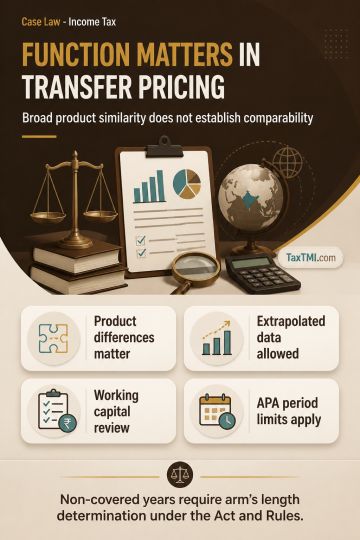
Transfer pricing comparability requires functional alignment and permits working capital adjustment, while APA margins cannot govern non-covered years...
Treaty benefit, goodwill depreciation and hedging costs: export commission disallowed, while key business deductions and depreciation claims succeeded...
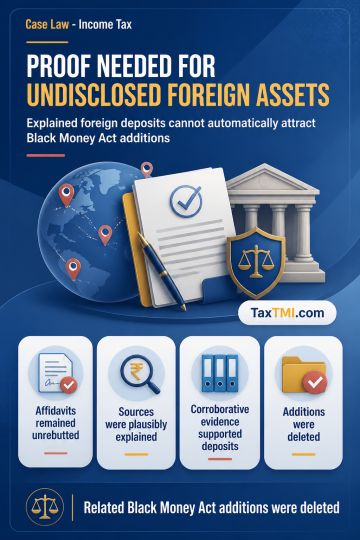
Undisclosed foreign asset classification requires an unexplained source; unrebutted affidavits and corroborative evidence defeated the Black Money Act...
CESTAT allowed the appeal, holding that the refund claim for anti-dumping duty was filed within the statutory six-month limitation period prescribed by Section 27 of the Customs Act, 1962. The Tribunal found that the appellant's submission of documents and refund application was timely, and this assertion was not contested by either the Appellate Authority or the department. Consequently, the finding that the claim was time-barred was deemed unsustainable. The portion of the impugned order denying the refund was set aside, and the original order sanctioning the refund of anti-dumping duty to the appellant was restored. The appeal was allowed in favor of the appellant.
CESTAT allowed the appeal, holding that the refund claim for anti-dumping duty was filed within the statutory six-month limitation period prescribed by Section 27 of the Customs Act, 1962. The Tribunal found that the appellant's submission of documents and refund application was timely, and this assertion was not contested by either the Appellate Authority or the department. Consequently, the finding that the claim was time-barred was deemed unsustainable. The portion of the impugned order denying the refund was set aside, and the original order sanctioning the refund of anti-dumping duty to the appellant was restored. The appeal was allowed in favor of the appellant.
Note: It is a system-generated summary and is for quick reference only.
 TaxTMI
 of 4803













 Join Channel


 TaxTMI