Transaction value rejection requires reliable corroboration; refundable VAT is excluded and temporary registration does not defeat new-vehicle exempti...
Appellate jurisdiction remains available where a wrist-worn gold ornament cannot conclusively be characterised as imported baggage at the preliminary ...
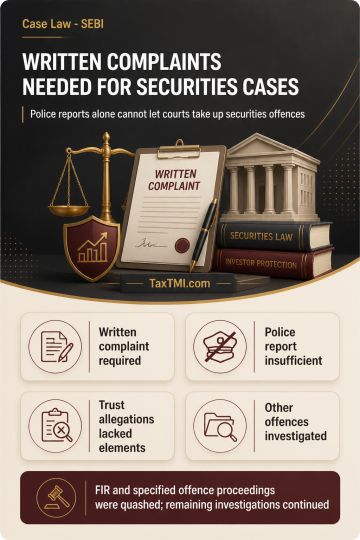
Written complaint requirement bars cognizance on police reports for securities offences, while unsupported breach of trust and cheating allegations fa...
Risk-based postal import clearance standardises electronic assessment, document requests, duty realisation and delivery controls at Foreign Post Offic...
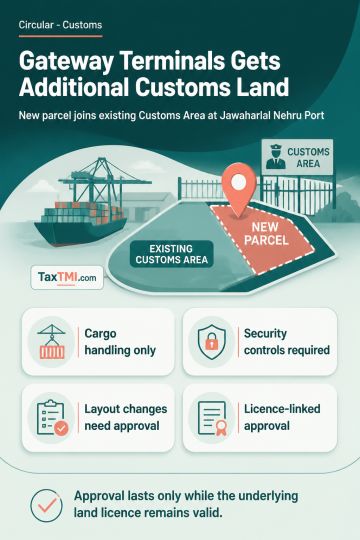
Customs Cargo Service Provider appointment extends custodianship to additional terminal land, subject to cargo-control, security and licence condition...
CESTAT held that Central Excise officers possess jurisdiction to issue show cause notices for recovery of customs duty from EOUs under their administrative control, affirming the validity of notifications and circulars delegating such authority. However, the department failed to substantiate the clandestine removal allegations with credible evidence or proper documentation, rendering duty demands unsustainable. Procedural lapses, such as expired warehousing licenses during stock transfers between EOUs, were deemed insufficient to justify duty recovery. Consequently, demands and penalties related to shortages and clearances were set aside. The tribunal remanded issues concerning duty on deemed exports to certain parties for fresh adjudication. The appeal was allowed in part, quashing most demands while directing reconsideration of specific deemed export claims.
CESTAT held that Central Excise officers possess jurisdiction to issue show cause notices for recovery of customs duty from EOUs under their administrative control, affirming the validity of notifications and circulars delegating such authority. However, the department failed to substantiate the clandestine removal allegations with credible evidence or proper documentation, rendering duty demands unsustainable. Procedural lapses, such as expired warehousing licenses during stock transfers between EOUs, were deemed insufficient to justify duty recovery. Consequently, demands and penalties related to shortages and clearances were set aside. The tribunal remanded issues concerning duty on deemed exports to certain parties for fresh adjudication. The appeal was allowed in part, quashing most demands while directing reconsideration of specific deemed export claims.
Note: It is a system-generated summary and is for quick reference only.
 TaxTMI
 of 4789











 Join Channel


 TaxTMI