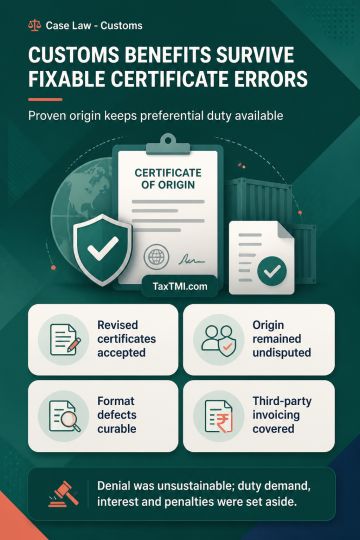
Opportunity to respond to jurisdictional reports is mandatory before customs settlement duty enhancement; connected applications require consistent ad...
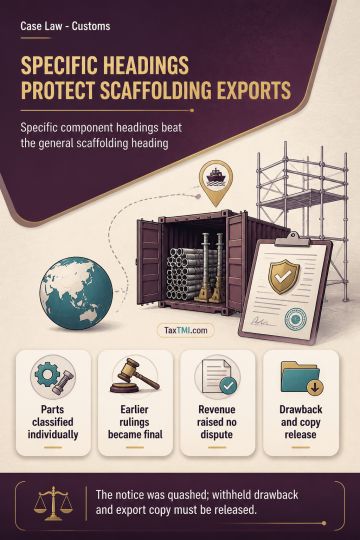
Specific customs headings for scaffolding components prevail over general classification, invalidating misclassification proceedings and enabling with...
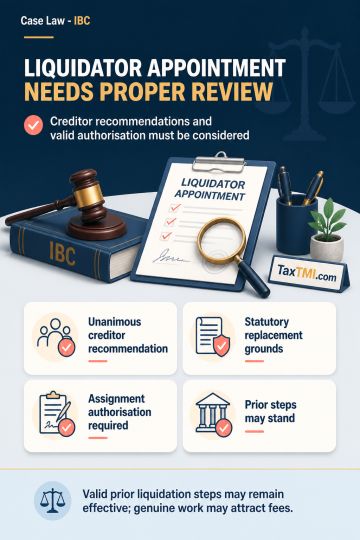
Liquidator appointment under Section 34 requires consideration of creditor recommendations, valid professional authorisation, and preservation of vali...
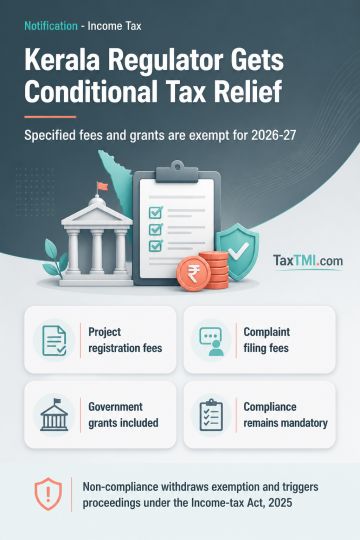
Income-tax exemption for specified regulatory fees and government grants applies subject to non-commercial activity and continuing compliance conditio...
Digital accessibility audit and remediation deadlines extended, while all other disability-compliance obligations for regulated entities remain unchan...
Page of 4792
Press 'Enter' after typing page number.
421 to 440 of 95836 Results
❮
❯
❯❯
0 / 200
Expand Note
Add to Folder
No Folders have been created
+
Are you sure you want to delete "My most important" ?
CESTAT held that Central Excise officers possess jurisdiction to issue show cause notices for recovery of customs duty from EOUs under their administrative control, affirming the validity of notifications and circulars delegating such authority. However, the department failed to substantiate the clandestine removal allegations with credible evidence or proper documentation, rendering duty demands unsustainable. Procedural lapses, such as expired warehousing licenses during stock transfers between EOUs, were deemed insufficient to justify duty recovery. Consequently, demands and penalties related to shortages and clearances were set aside. The tribunal remanded issues concerning duty on deemed exports to certain parties for fresh adjudication. The appeal was allowed in part, quashing most demands while directing reconsideration of specific deemed export claims.
CESTAT held that Central Excise officers possess jurisdiction to issue show cause notices for recovery of customs duty from EOUs under their administrative control, affirming the validity of notifications and circulars delegating such authority. However, the department failed to substantiate the clandestine removal allegations with credible evidence or proper documentation, rendering duty demands unsustainable. Procedural lapses, such as expired warehousing licenses during stock transfers between EOUs, were deemed insufficient to justify duty recovery. Consequently, demands and penalties related to shortages and clearances were set aside. The tribunal remanded issues concerning duty on deemed exports to certain parties for fresh adjudication. The appeal was allowed in part, quashing most demands while directing reconsideration of specific deemed export claims.
Note: It is a system-generated summary and is for quick reference only.
 TaxTMI
 of 4792









 Join Channel


 TaxTMI