Transfer pricing comparability requires functional alignment, reliable financial data, and careful review of working capital and receivables adjustmen...
Transfer pricing rules require benchmarking corporate guarantees and associated-enterprise advances, while invalid domestic-transaction adjustments ca...
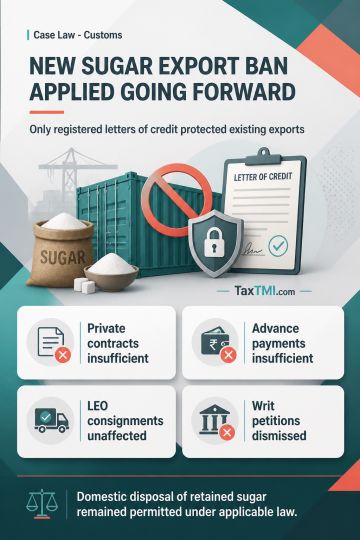
Prospective sugar export prohibition required registered letters of credit; private contracts and export quotas created no enforceable continuation ri...
Retroactive interim-moratorium exclusion permits protective asset disclosure and preservation measures against personal guarantors pending arbitration...
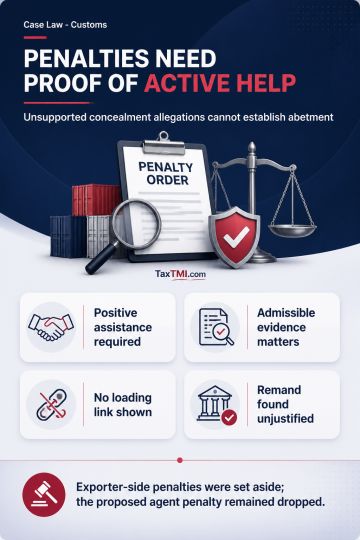
CESTAT held that Central Excise officers possess jurisdiction to issue show cause notices for recovery of customs duty from EOUs under their administrative control, affirming the validity of notifications and circulars delegating such authority. However, the department failed to substantiate the clandestine removal allegations with credible evidence or proper documentation, rendering duty demands unsustainable. Procedural lapses, such as expired warehousing licenses during stock transfers between EOUs, were deemed insufficient to justify duty recovery. Consequently, demands and penalties related to shortages and clearances were set aside. The tribunal remanded issues concerning duty on deemed exports to certain parties for fresh adjudication. The appeal was allowed in part, quashing most demands while directing reconsideration of specific deemed export claims.
CESTAT held that Central Excise officers possess jurisdiction to issue show cause notices for recovery of customs duty from EOUs under their administrative control, affirming the validity of notifications and circulars delegating such authority. However, the department failed to substantiate the clandestine removal allegations with credible evidence or proper documentation, rendering duty demands unsustainable. Procedural lapses, such as expired warehousing licenses during stock transfers between EOUs, were deemed insufficient to justify duty recovery. Consequently, demands and penalties related to shortages and clearances were set aside. The tribunal remanded issues concerning duty on deemed exports to certain parties for fresh adjudication. The appeal was allowed in part, quashing most demands while directing reconsideration of specific deemed export claims.
Note: It is a system-generated summary and is for quick reference only.
 TaxTMI
 of 4792












 Join Channel


 TaxTMI