Inherited property sale proceeds require capital-gains treatment where ownership is supported by evidence, not suspicion or unverified signature doubt...
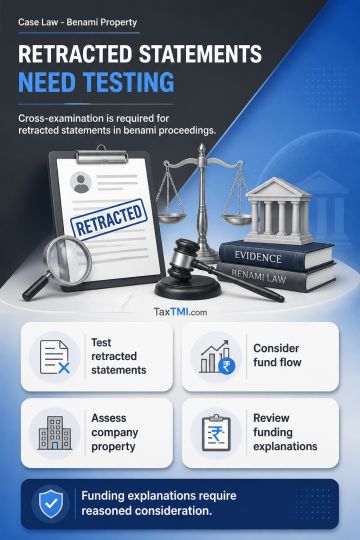
Cross-examination of retracted statements is essential where foundational evidence supports a benami allegation and documented funding explanations re...
Capital-goods exemption covers plant-modernisation accessories, while the import restriction applies only to earlier capital-goods components and spar...
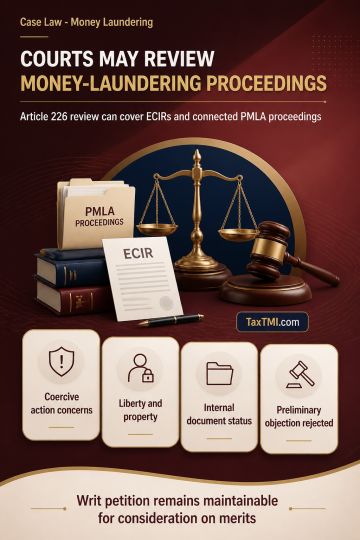
Constitutional judicial review permits challenges to ECIRs and connected money-laundering proceedings where coercive action affects fundamental intere...
CESTAT held that Central Excise officers possess jurisdiction to issue show cause notices for recovery of customs duty from EOUs under their administrative control, affirming the validity of notifications and circulars delegating such authority. However, the department failed to substantiate the clandestine removal allegations with credible evidence or proper documentation, rendering duty demands unsustainable. Procedural lapses, such as expired warehousing licenses during stock transfers between EOUs, were deemed insufficient to justify duty recovery. Consequently, demands and penalties related to shortages and clearances were set aside. The tribunal remanded issues concerning duty on deemed exports to certain parties for fresh adjudication. The appeal was allowed in part, quashing most demands while directing reconsideration of specific deemed export claims.
CESTAT held that Central Excise officers possess jurisdiction to issue show cause notices for recovery of customs duty from EOUs under their administrative control, affirming the validity of notifications and circulars delegating such authority. However, the department failed to substantiate the clandestine removal allegations with credible evidence or proper documentation, rendering duty demands unsustainable. Procedural lapses, such as expired warehousing licenses during stock transfers between EOUs, were deemed insufficient to justify duty recovery. Consequently, demands and penalties related to shortages and clearances were set aside. The tribunal remanded issues concerning duty on deemed exports to certain parties for fresh adjudication. The appeal was allowed in part, quashing most demands while directing reconsideration of specific deemed export claims.
Note: It is a system-generated summary and is for quick reference only.
 TaxTMI
 of 4790












 Join Channel


 TaxTMI