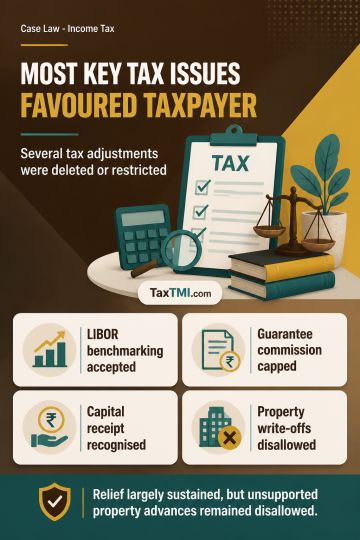
Transfer-pricing benchmarking and capital-receipt principles sustained taxpayer relief, while unsupported property-advance write-offs remained disallo...
Pre-existing operational debt disputes require genuine evidence, while undirected running-account payments may be appropriated on a first-in-first-out...
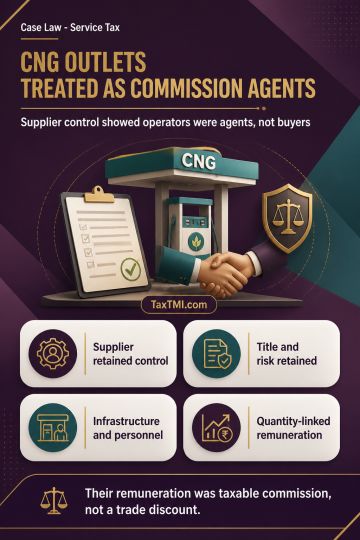
Agency in CNG distribution makes outlet operators commission agents, rendering taxable Business Auxiliary Service rather than purchasing goods for res...
The CESTAT held that the extended period of limitation could not be invoked against the appellant, as the service tax liability on food and beverages was under judicial consideration during the relevant period, granting the appellant the benefit of the doubt. The Department's delayed communication was deemed a deliberate attempt to unjustifiably extend the limitation period. There was no evidence of suppression or intent to evade tax by the appellant, who had cooperated fully. Precedents emphasize the necessity of a prima facie finding of willful suppression or fraud to invoke extended limitation. Consequently, the show cause notice was held time-barred, the impugned order was set aside, and the appeal allowed without adjudicating on merits.
The CESTAT held that the extended period of limitation could not be invoked against the appellant, as the service tax liability on food and beverages was under judicial consideration during the relevant period, granting the appellant the benefit of the doubt. The Department's delayed communication was deemed a deliberate attempt to unjustifiably extend the limitation period. There was no evidence of suppression or intent to evade tax by the appellant, who had cooperated fully. Precedents emphasize the necessity of a prima facie finding of willful suppression or fraud to invoke extended limitation. Consequently, the show cause notice was held time-barred, the impugned order was set aside, and the appeal allowed without adjudicating on merits.
Note: It is a system-generated summary and is for quick reference only.
 TaxTMI
 of 4803








 Join Channel


 TaxTMI
