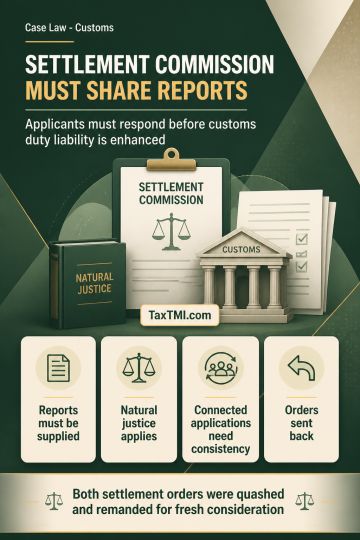
Opportunity to respond to jurisdictional reports is mandatory before customs settlement duty enhancement; connected applications require consistent ad...
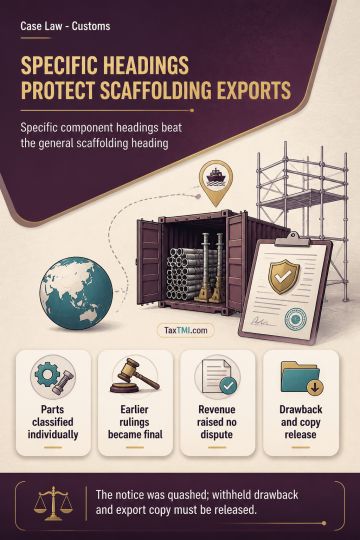
Specific customs headings for scaffolding components prevail over general classification, invalidating misclassification proceedings and enabling with...
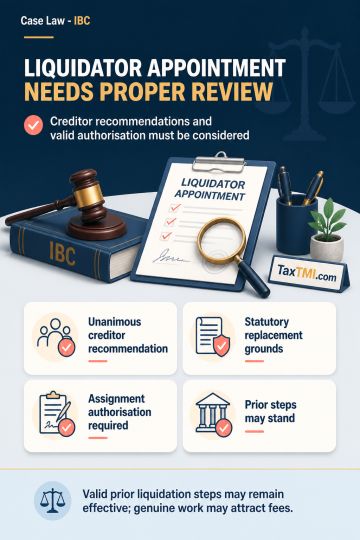
Liquidator appointment under Section 34 requires consideration of creditor recommendations, valid professional authorisation, and preservation of vali...
The CESTAT held that the extended period of limitation could not be invoked against the appellant, as the service tax liability on food and beverages was under judicial consideration during the relevant period, granting the appellant the benefit of the doubt. The Department's delayed communication was deemed a deliberate attempt to unjustifiably extend the limitation period. There was no evidence of suppression or intent to evade tax by the appellant, who had cooperated fully. Precedents emphasize the necessity of a prima facie finding of willful suppression or fraud to invoke extended limitation. Consequently, the show cause notice was held time-barred, the impugned order was set aside, and the appeal allowed without adjudicating on merits.
The CESTAT held that the extended period of limitation could not be invoked against the appellant, as the service tax liability on food and beverages was under judicial consideration during the relevant period, granting the appellant the benefit of the doubt. The Department's delayed communication was deemed a deliberate attempt to unjustifiably extend the limitation period. There was no evidence of suppression or intent to evade tax by the appellant, who had cooperated fully. Precedents emphasize the necessity of a prima facie finding of willful suppression or fraud to invoke extended limitation. Consequently, the show cause notice was held time-barred, the impugned order was set aside, and the appeal allowed without adjudicating on merits.
Note: It is a system-generated summary and is for quick reference only.
 TaxTMI
 of 4792




 Join Channel


 TaxTMI