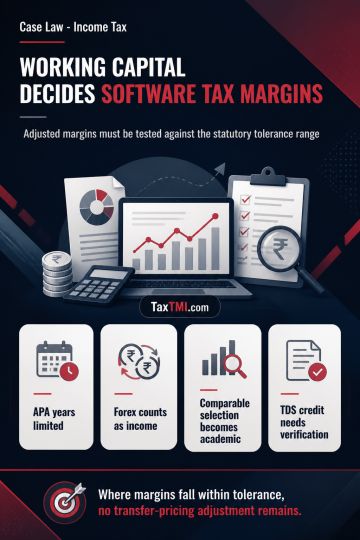
Working-capital adjustment determines whether software-services transfer-pricing margins fall within the statutory tolerance range, eliminating any ad...
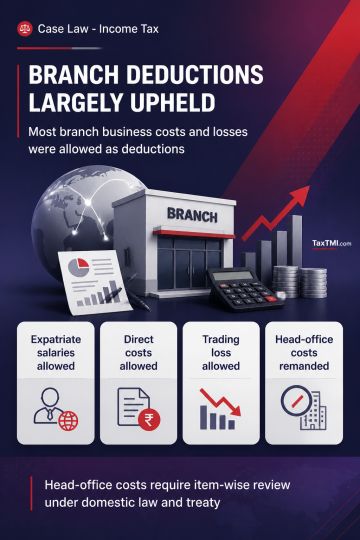
Permanent establishment deductions upheld for expatriate salaries, direct costs and trading losses, while head-office costs require fresh classificati...
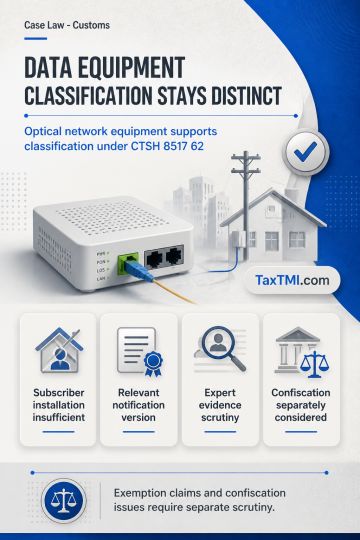
Data transmission equipment classification under CTSH 8517 62 remains distinct from residual classification, with exemption evidence requiring scrutin...
The CESTAT overturned the impugned order that classified the appellant's services as those of an 'intermediary' under Rule 2(f) of the Place of Provision of Services Rules, 2012, holding this classification unsustainable. The tribunal found that the appellant's provision of marketing, promotional, and after-sales services to its foreign parent entity constituted export of services under the relevant Export Rules, as the benefit of such services accrued outside India. Consequently, the denial of refund claims was set aside, and the appellant was held eligible for refund of Cenvat credit under Rule 5 of the Cenvat Credit Rules, 2004. The appeal was allowed, confirming the appellant's status as an exporter rather than an intermediary.
The CESTAT overturned the impugned order that classified the appellant's services as those of an 'intermediary' under Rule 2(f) of the Place of Provision of Services Rules, 2012, holding this classification unsustainable. The tribunal found that the appellant's provision of marketing, promotional, and after-sales services to its foreign parent entity constituted export of services under the relevant Export Rules, as the benefit of such services accrued outside India. Consequently, the denial of refund claims was set aside, and the appellant was held eligible for refund of Cenvat credit under Rule 5 of the Cenvat Credit Rules, 2004. The appeal was allowed, confirming the appellant's status as an exporter rather than an intermediary.
Note: It is a system-generated summary and is for quick reference only.
 TaxTMI
 of 4800







 Join Channel


 TaxTMI